


Custom Packaging Solutions
Premium quality packaging tailored to your brand. From cosmetic boxes to luxury rigid packaging, we deliver excellence since 2010.
This is the title

Hey there, I'm Mike!
Shoe Box Dimensions Guide: How Brands Choose the Right Size for Packaging & Shipping
Choosing shoe box sizes feels chaotic. Too big wastes money on shipping and materials; too small damages the shoes. You're stuck guessing sizes and hoping for the best.
Brands choose the right size by measuring the largest shoe (length, width, height), adding clearance for protection like inserts, and factoring in the box material's thickness. This creates a snug, protective fit that minimizes shipping costs.
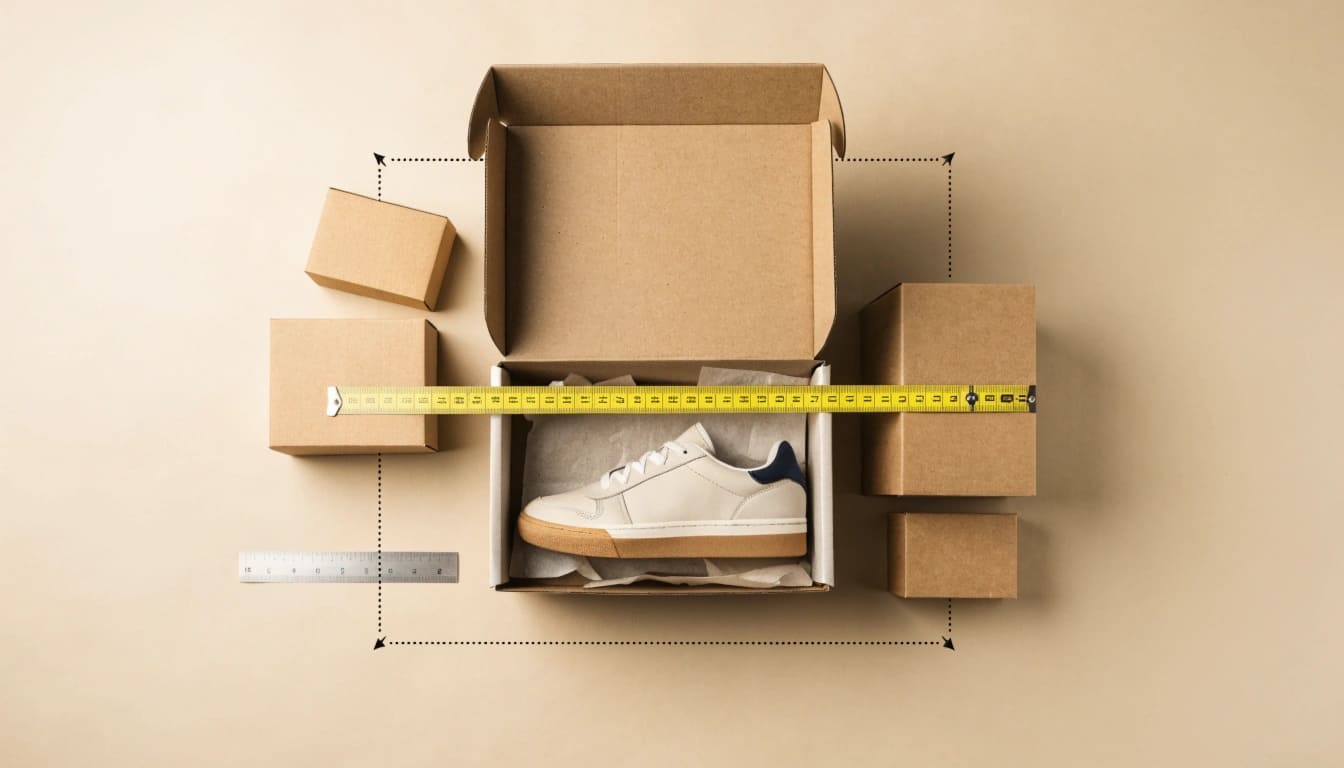
I've seen countless brands struggle with this. They focus so much on the graphic design that they forget the most basic function of the box: to fit and protect the shoe perfectly. It seems simple, but getting the dimensions right involves more than just measuring the shoe. It's a balance of protection, cost, and brand experience. Let's break down how the pros do it, step-by-step.
What are the recommended box dimensions for shipping shoes?
You're ready to ship, but feel lost in a sea of carrier rules. Pick the wrong box size, and you could face huge surcharges or damaged products, costing you money and customers.
For shipping, use a corrugated box that fits your shoe box with 1-2 inches of cushioning space on all sides. While common shipper sizes are around 14" x 9" x 5", always measure your specific shoe box first for a perfect fit.
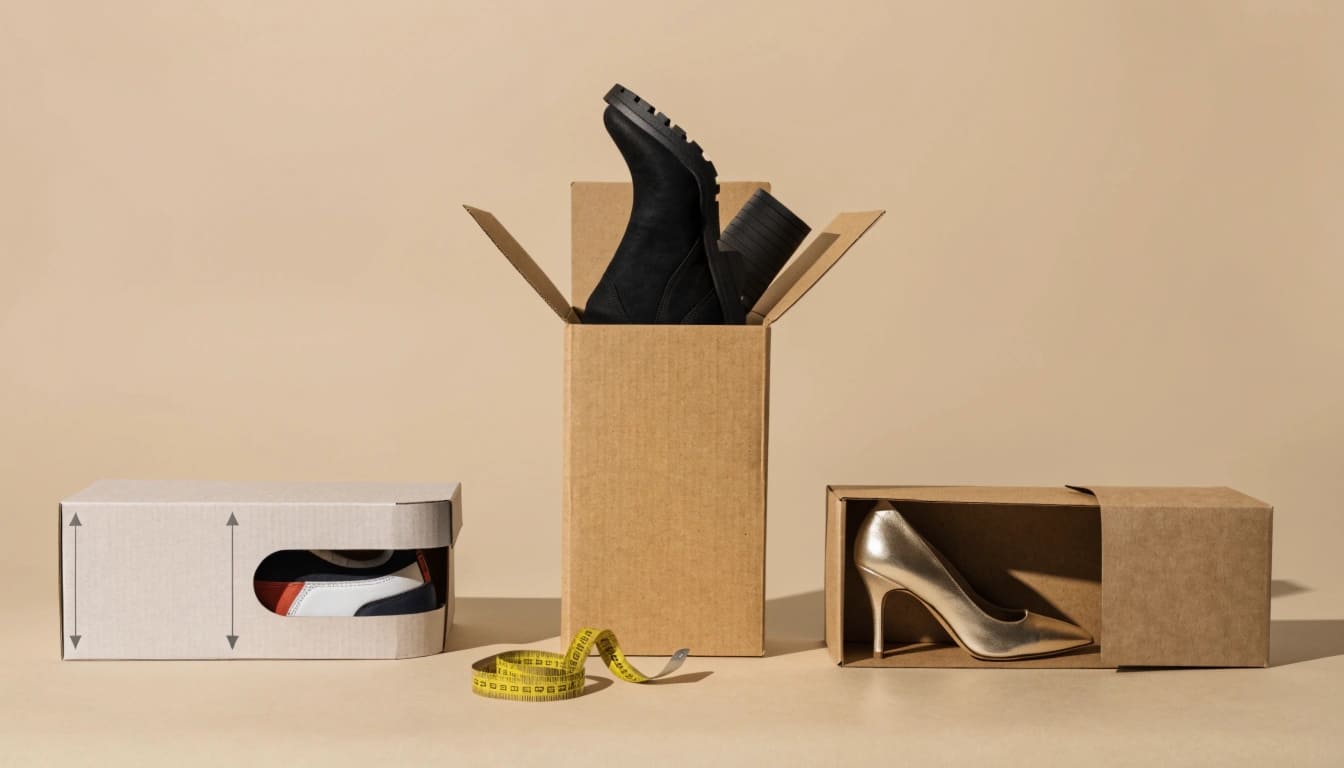
The key here is understanding there are two boxes: the primary shoe box and the secondary shipping carton. Your customer interacts with the shoe box, but the shipping carton is what protects it. The goal is to make that shipping carton as small and efficient as possible to save on costs. This is especially true when shipping cases of shoes to retailers. The size of your master carton is critical. As I always say, to determine the master carton size, you must first decide how many individual shoe boxes will go inside. From there, you can calculate the outer carton's exact dimensions . This prevents you from shipping air. A tightly packed master carton is not only cheaper to ship but also provides better protection, as the boxes inside support each other and are less likely to shift and get damaged during transit.
What are the standard dimensions for a shoe box?
You need a "standard" size for your new shoe line, but every shoe is different. Using one "standard" box could mean your ankle boots rattle around while your high-tops are crushed.
There is no single standard. Dimensions vary by shoe type and gender. A typical adult sneaker box is around 13" x 8" x 5", but high heels or boots require completely different shapes to prevent damage.
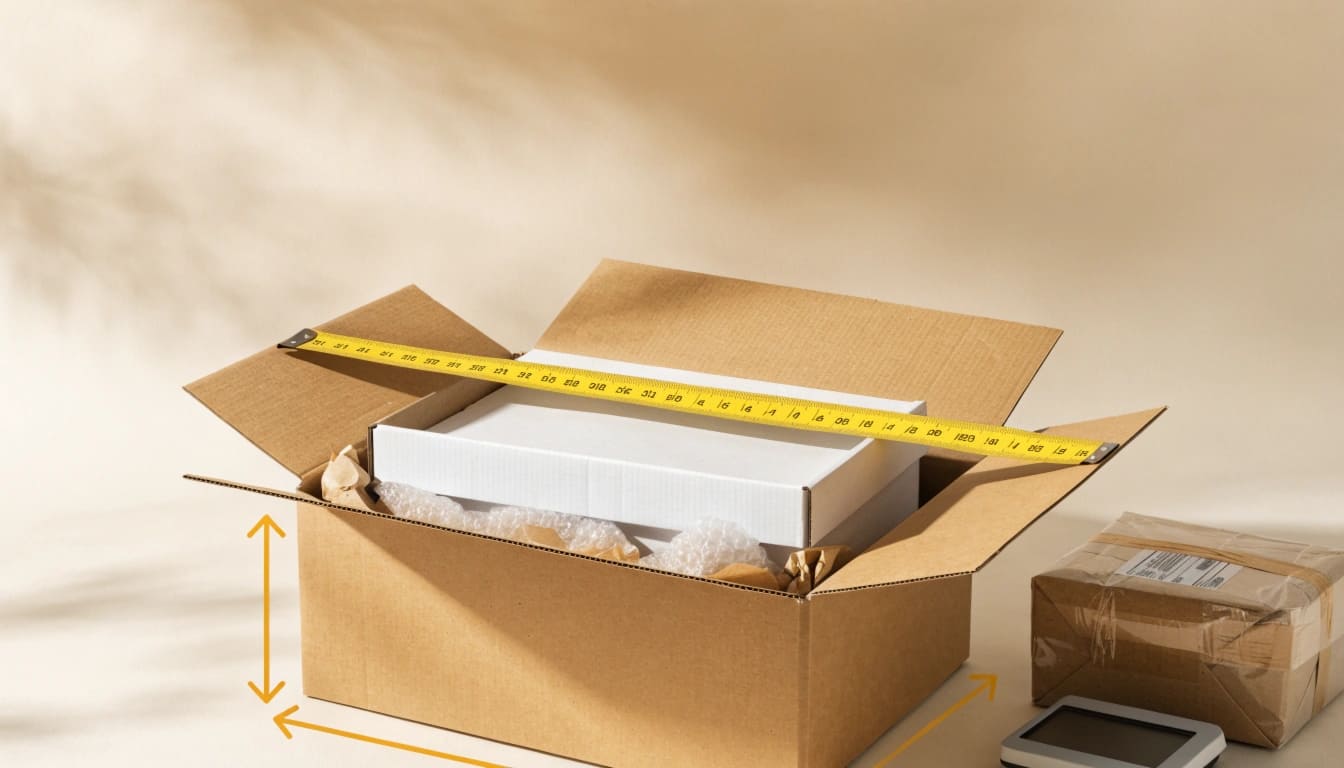
Clients often ask me for a "standard" size, hoping for a simple answer. But the truth is, a one-size-fits-all approach is a mistake. Using the wrong box is a fast way to ruin your product and your unboxing experience. I always start with a simple process. My insight is that to choose a correctly sized shoe box, we need to measure the shoe's length, width, and height. We must also consider if an internal support is needed to protect the shoe, and then we can determine the box's final dimensions .
Shoe Box Size Examples by Type
| Shoe Type | Typical Dimensions (L x W x H) | Key Consideration |
|---|---|---|
| Men's Sneakers | 14" x 10" x 5.5" | Needs room for bulky shape and tongue. |
| Women's Heels | 12" x 8" x 4" | A shorter, narrower box prevents sliding. |
| Ankle Boots | 13" x 11" x 5" | Requires more width and height than a standard shoe. |
| Kids' Shoes | 8" x 6" x 3.5" | Significantly smaller to avoid waste. |
These are just starting points. The right answer comes from measuring your largest shoe size, adding a little room for protective tissue paper or an insert, and creating a box that feels custom-made.
How do you find the right size box for shipping?
You’ve measured your product, but now you have to choose a box. You're trying to find that perfect fit that isn't too tight or too loose, and you're worried about making a costly mistake.
Measure your item's length, width, and height, then add the thickness of the box material itself to get the external dimensions. This is the critical number for calculating shipping costs and ensuring a proper fit.
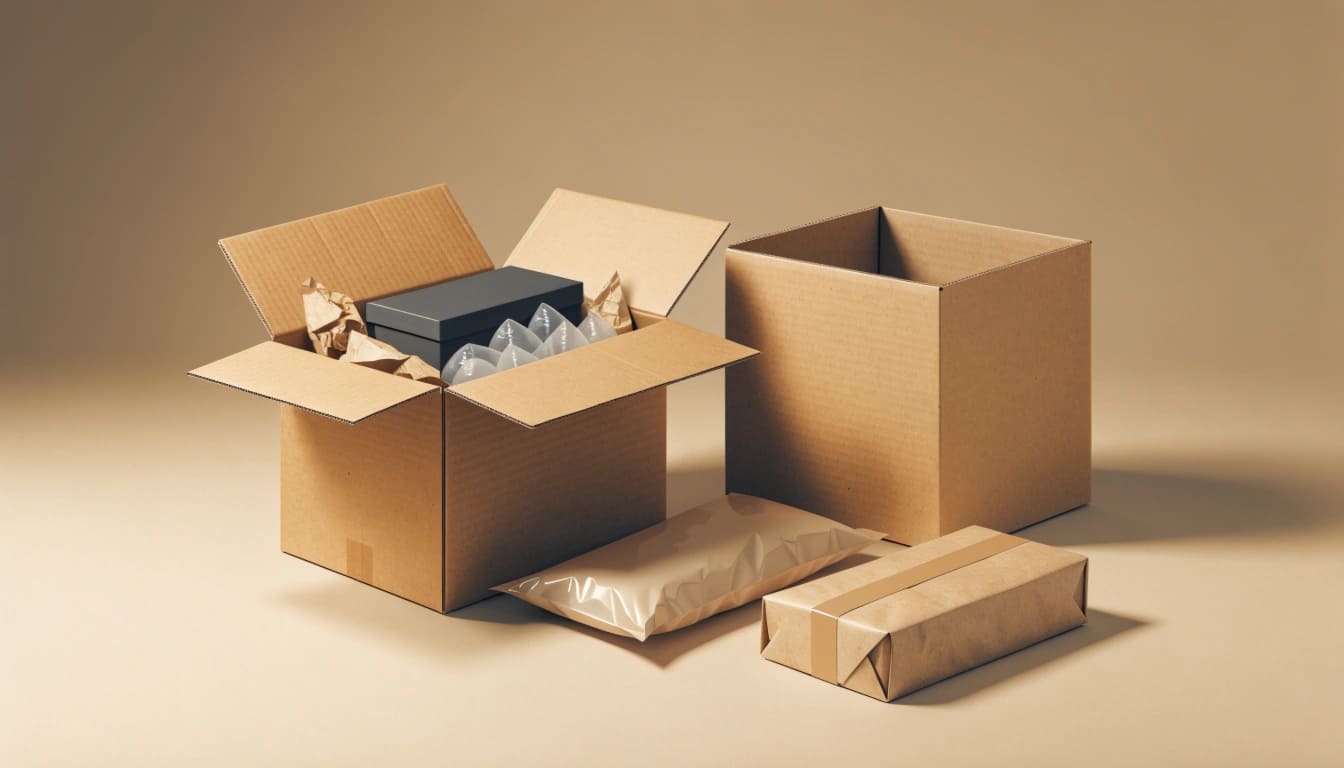
When I work with a new client, especially one new to e-commerce, this is a point of frequent confusion. They give me the dimensions of their shoe, but forget the box itself has thickness. I always explain that the box's final dimensions must be based on the exterior size. You get this by adding the thickness of the box material to the shoe's dimensions . This detail is incredibly important. A box made from thick, rigid paperboard might add a quarter-inch or more to every side. That might not sound like much, but when you multiply that across thousands of shipments, it adds up to significant costs in both materials and dimensional weight shipping fees. My process is always to work from the inside out: measure the shoe, add 0.5 to 1 inch of clearance, then add the paperboard thickness to get the final, accurate exterior dimensions.
What is the best box to use for shipping shoes?
You see people shipping shoes ineverything from flimsy mailers to giant boxes. You want a method that is secure, professional, and cost-effective, but you're not sure what that looks like.
The best box for shipping shoes is a sturdy, corrugated cardboard box. It should be just large enough to fit the primary shoe box plus about one to two inches of protective dunnage, like paper or air pillows.
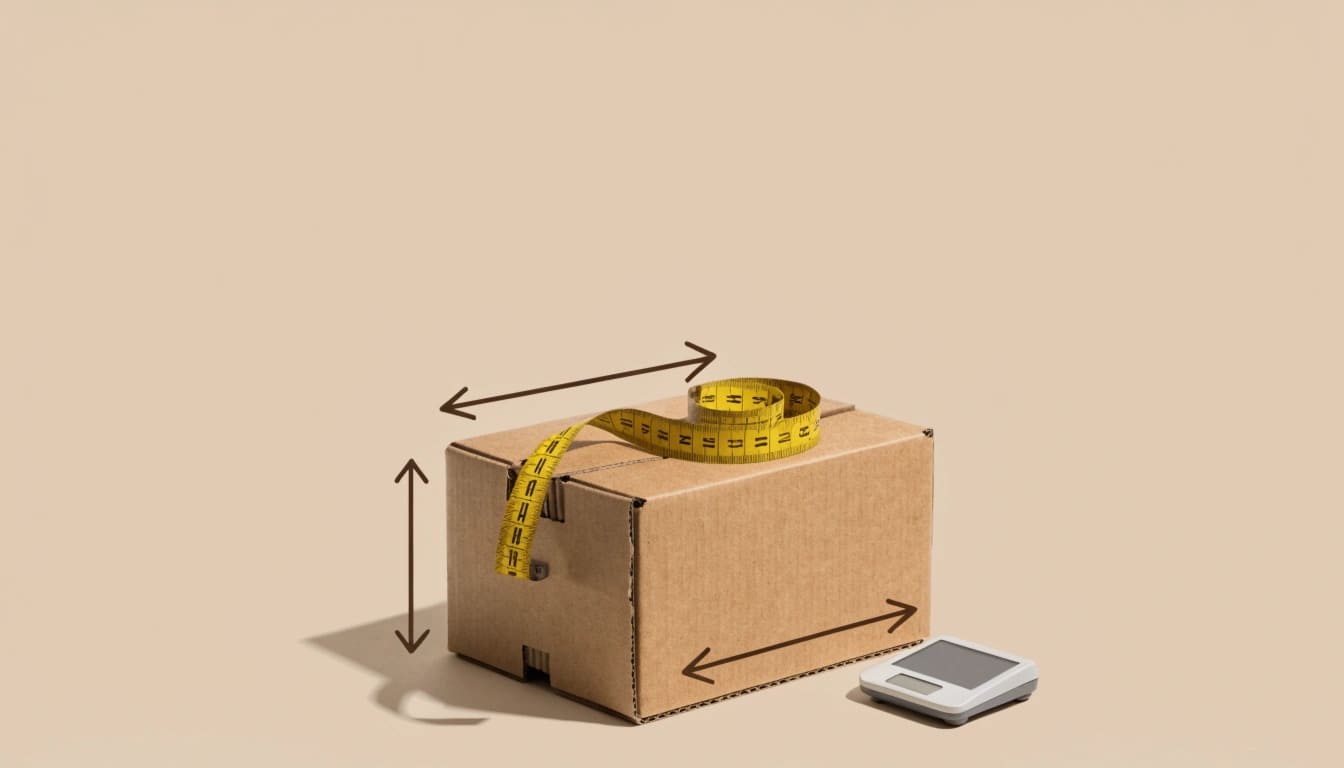
Don't overthink this one. The answer is almost always a standard corrugated shipping box, sometimes called an RSC (Regular Slotted Carton). This is not the time to use a poly mailer bag. While bags are cheap, they offer zero crush protection. A customer receiving a dented shoe box will immediately have a negative impression of your brand. The goal is to deliver the pristine unboxing experience you designed. A corrugated box is the industry standard for a reason: it provides the best balance of protection, professional appearance, and cost. Make sure the corrugated material has the right strength (ECT rating) for your shoe's weight. For most shoes, a standard 32 ECT box is perfect. It's strong enough to withstand the rough handling of the shipping process and ensures your beautifully designed shoe box arrives looking just as good as it did when it left the factory.
Conclusion
Choosing the right shoe box dimensions isn't about finding a standard size. It's about a precise process of measuring your product, considering its protection, and planning for efficient shipping.
More to read
# Custom Blind Box: Lessons From Pop Mart
Custom Blind Box: Lessons From Pop Mart You see the massive success and long queues
# Which is Better for Packaging Mockups: Laser or Inkjet?
Which is Better for Packaging Mockups: Laser or Inkjet? You need to create a physical
2025 year the most welcome packaging box color trends
This year, packaging trends are making a bold statement with Radiant Red taking the limelight
