


Custom Packaging Solutions
Premium quality packaging tailored to your brand. From cosmetic boxes to luxury rigid packaging, we deliver excellence since 2010.
This is the title
Hey there, I'm Mike!
Custom Blind Box: Lessons From Pop Mart
You see the massive success and long queues for Pop Mart and want that magic for your brand. But the process of creating a blind box series seems complex and secretive, leaving you unsure where to even begin.
The biggest lesson from Pop Mart is that the character and the unboxing suspense are everything. To create a custom blind box, you need engaging character IP, a defined rarity structure, and high-quality packaging that builds excitement.
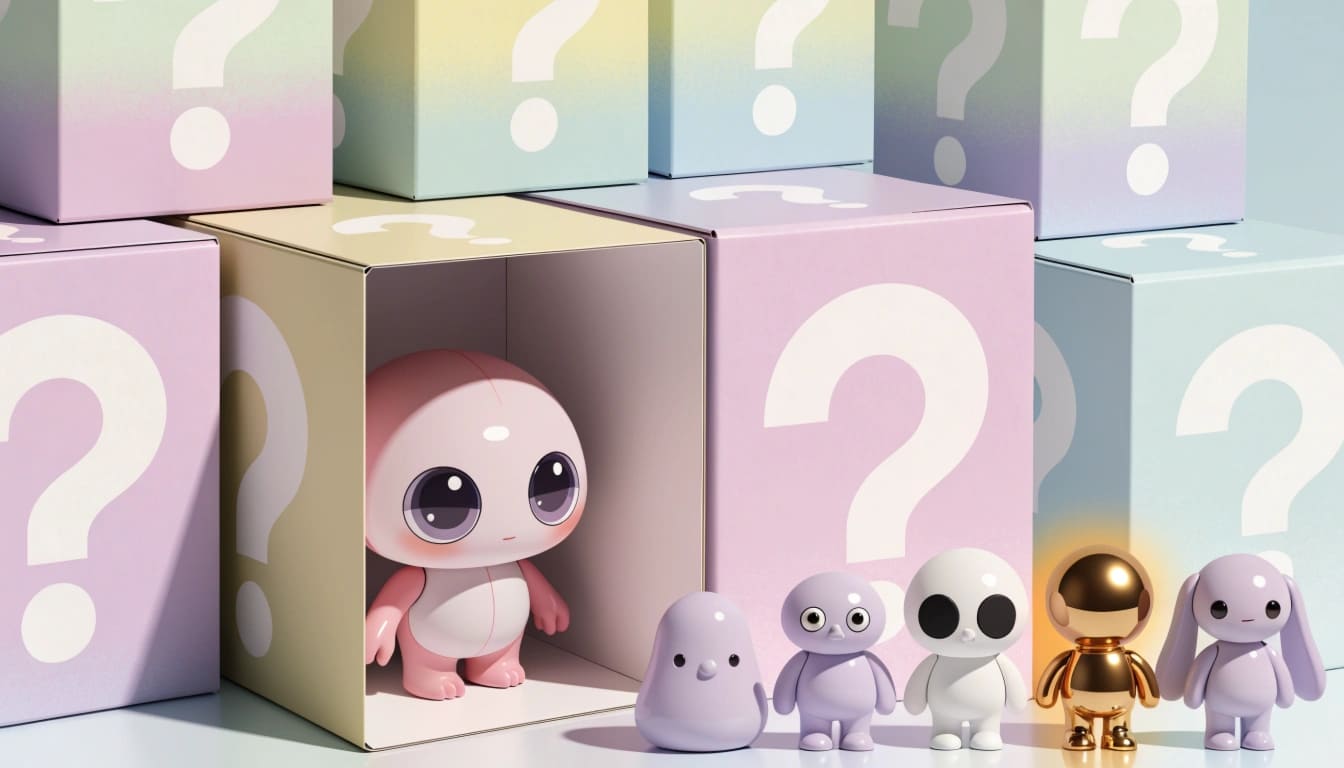
When I first saw the Pop Mart phenomenon, it wasn't the toys that fascinated me as a packaging guy—it was the box. It’s a small, simple paperboard box, but it holds so much value and excitement. It’s not just a container; it's the gateway to an experience. Brands from all industries now ask me how they can replicate this. The secret isn't just in the toy design; it's in the careful construction of the entire experience, starting with the package itself. Let's break down how you can capture some of that magic.
How can I make a custom blind box?
You have a great character concept, but turning it into a physical blind box product feels like a huge leap. You're trying to figure out the first practical steps in manufacturing and materials.
Start by finalizing your character series and their rarity levels. Then, partner with a manufacturer to design the box, focusing on a material that makes the artwork pop while being affordable.
The box is the very first thing your customer interacts with. It needs to be perfect. My primary insight here is about material choice. For custom blind boxes, we typically consider using C1S (coated one-side) paperboard. We print cartoon characters on the surface to capture customer attention. This approach looks high-end but is very economical and effective . It gives you that smooth, vibrant finish for your graphics on the outside while remaining sturdy. But the box is just one part. The entire process requires a structured approach to bring your idea to life.
The Custom Blind Box Process
| Step | Action | Why It's Important |
|---|---|---|
| 1. IP Development | Design a series of related characters (e.g., 6-12 figures). | A collection encourages repeat purchases and the "gotta catch 'em all" mentality. |
| 2. Rarity Structure | Define your prize tiers: common, rare, and a secret "chase" figure. | The chance of finding a rare item is the core engine of the blind box thrill. |
| 3. Packaging Design | Create box artwork featuring the characters in the series. | The graphics build desire and hint at what's inside without giving it away. |
| 4. Manufacturing | Partner with a factory for both figure production and packaging. | A good partner ensures consistency, quality, and security for your rare figures. |
How do I get my designs into Pop Mart?
You're an artist with amazing character designs, and your dream is to collaborate with a giant like Pop Mart. The pathway to getting noticed seems impossible, like trying to get a message to a king.
Pop Mart primarily scouts and collaborates with established artists who have a strong existing brand and following. The best way to get on their radar is to build your own successful IP first.
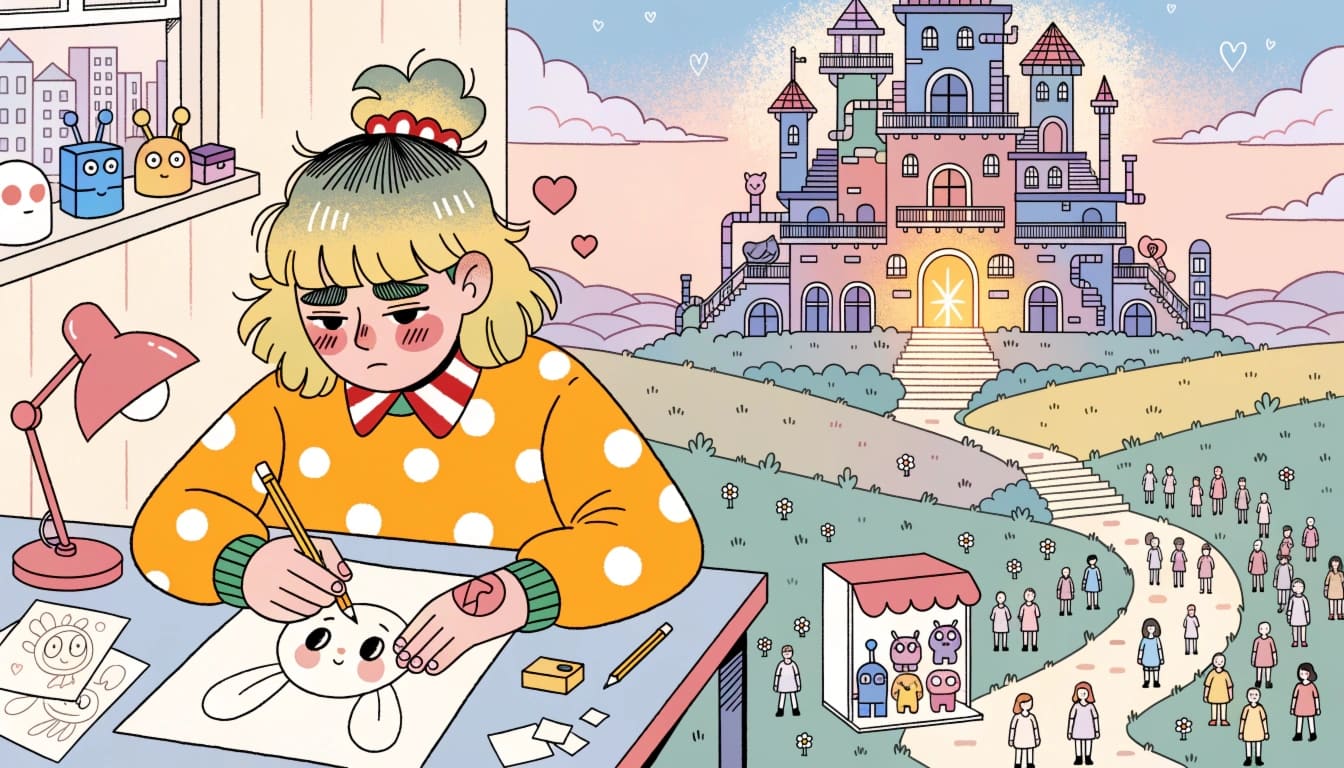
From my experience in the industry, big players like Pop Mart don't often review unsolicited submissions from new artists. They operate more like a record label for toy art. They find artists who are already popular—artists who have built a dedicated fan base through social media, art shows, or their own small-run toy releases. Think of characters like Molly (Kenny Wong) or Pucky (Pucky). These were successful IPs before they partnered with Pop Mart. So, the lesson isn't to knock on Pop Mart's door. The lesson is to build your own house first. Create your characters, build your audience online, maybe even work with a manufacturer like me to create a small, independent run of your own blind box. Success is the best resume.
How do you spot a fake Pop Mart blind box?
You're a collector or a fan, and the fear of accidentally buying a counterfeit product is real. You don't want to waste money on a low-quality fake that ruins the collecting experience.
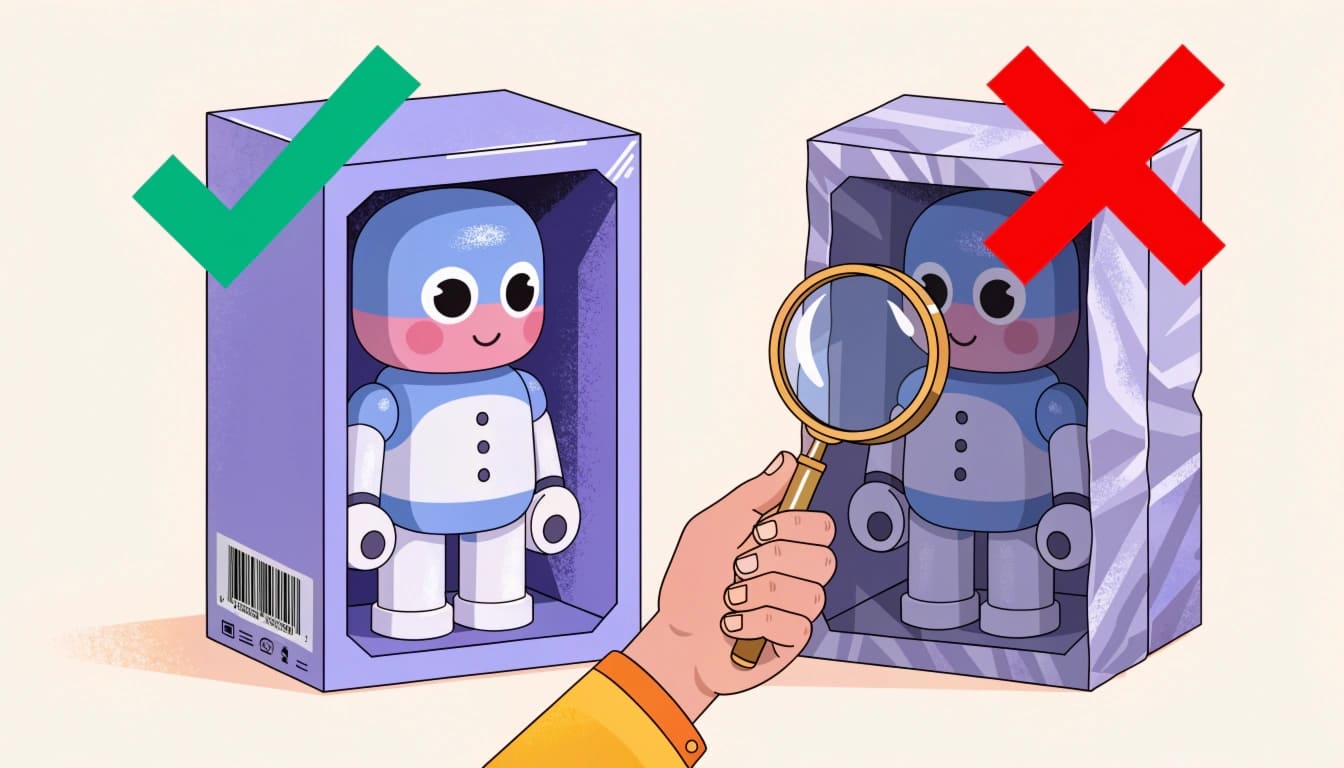
Look at the packaging details. Fake boxes often have blurry printing, incorrect fonts, or poor color quality. The box material may feel flimsy, and the foil wrapper inside is often generic and unbranded.
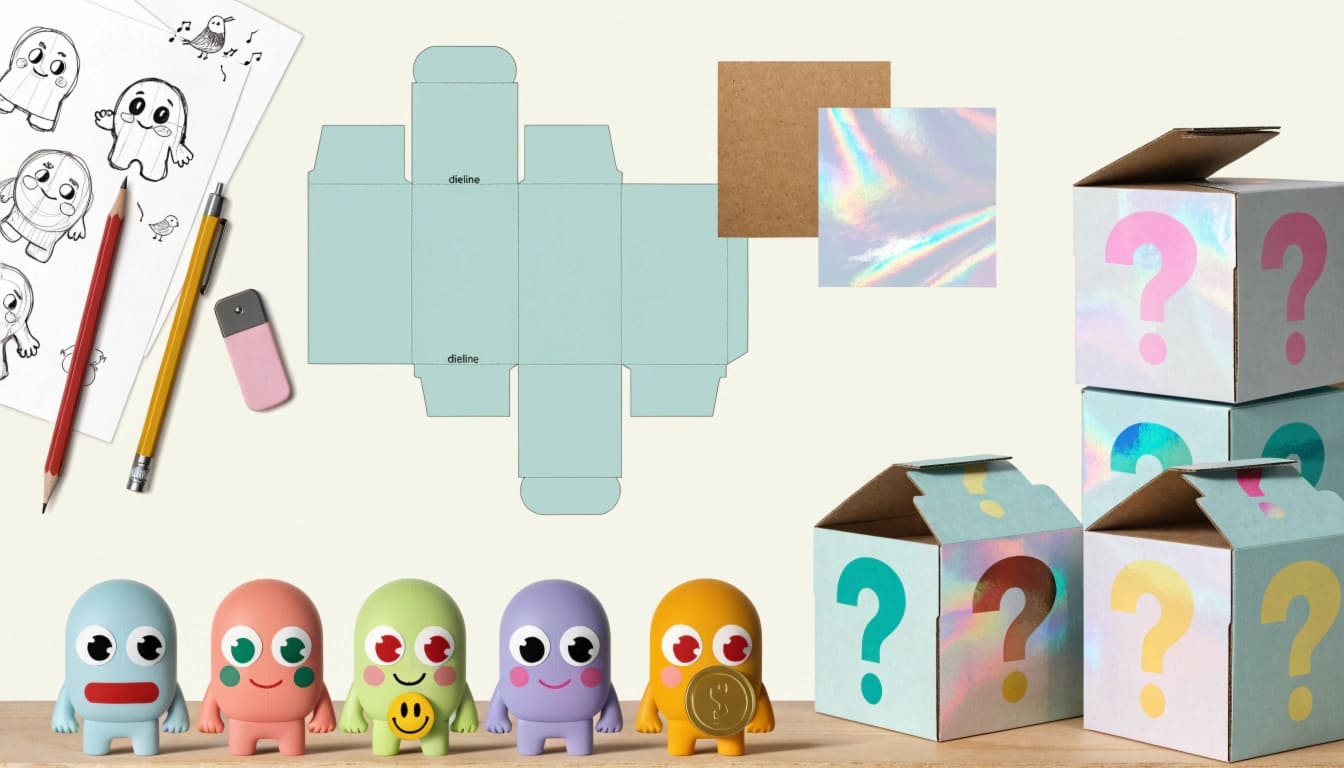
As a packaging specialist, I can tell you that counterfeiters almost always cut corners on the packaging first. It's the most difficult part to replicate perfectly. An authentic Pop Mart box has sharp, crisp printing. The lines are clean, the colors are vibrant and accurate to the character art, and the cardboard feels solid. A fake will often look like a low-quality photocopy. The text might have fuzzy edges, and the colors will be slightly off—either too dull or too saturated. Inside, the differences are even more obvious. A real Pop Mart figure is sealed in a custom-printed foil pouch that often has the character's art on it. Fakes usually use a plain, generic silver foil pouch. Always check the printing quality on the box; it's your best first defense against fakes.
How do you customise a blind box?
You’re past the idea stage and ready to make your blind box. But how do you handle the technical side—the printing files, the prize distribution—to ensure the project is a success?
Customization happens by working with your manufacturer on two key areas: the physical box design and the "game" mechanics. You provide the artwork and the rarity data, and they create the print files.
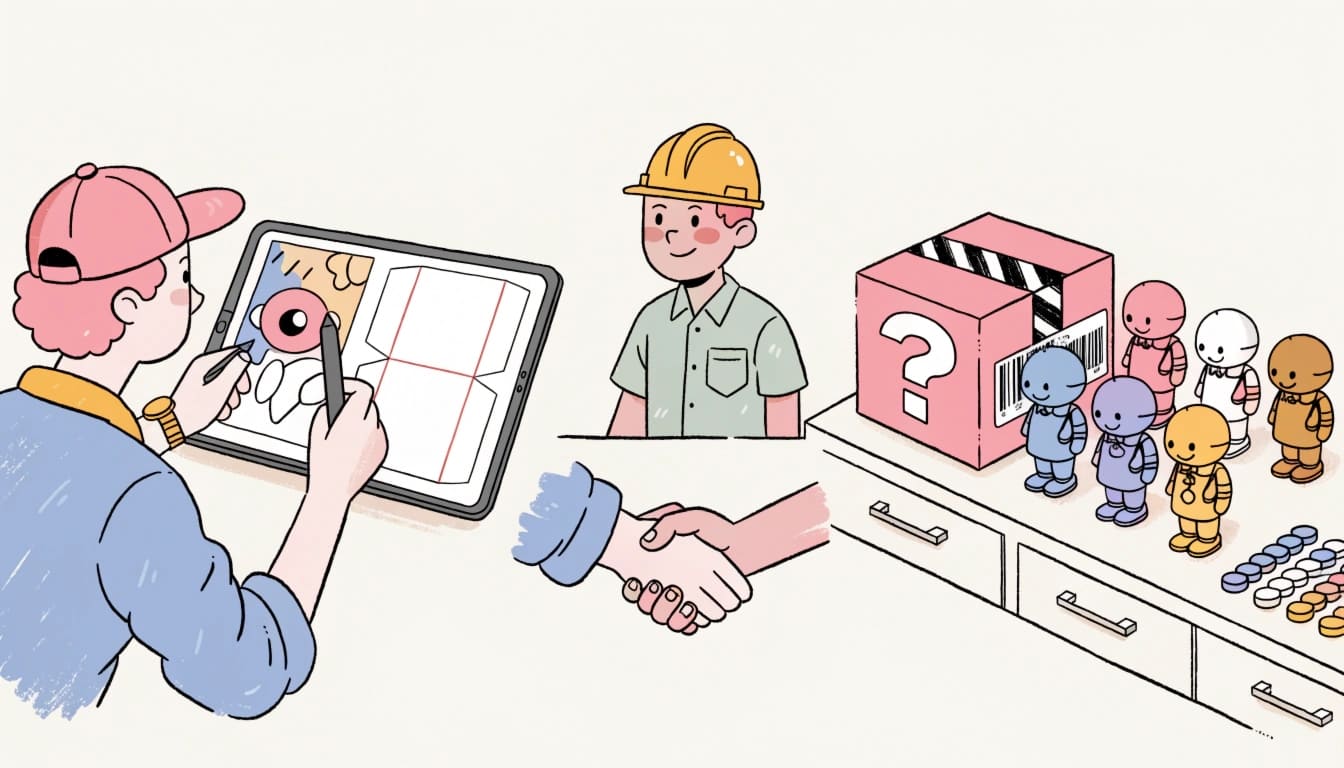
This is where the partnership between a brand and a manufacturer really comes together. You bring the creative vision, and we bring the manufacturing expertise. It’s a two-part process. First is the visual customization—you give us the final artwork for the box. Second, and just as important, is the data customization. This is an insight from my daily work: for customized blind boxes, we set the prizes based on the game rules you define. You can tell us which cards or data you want, and we will use that to create the final printing and production files . For example, you would tell us: "In every case of 12 boxes, there should be one of each of the 11 common figures and one of the rare figures." We then use this data to plan the entire production run, ensuring the rarity is correctly distributed. This guarantees the "chase" is fair, fun, and exactly as you designed it.
Conclusion
The success of a blind box lies in a fusion of character appeal and the thrill of the chase. By learning from Pop Mart, you can build your own compelling experience from the ground up.
More to read
# Which is Better for Packaging Mockups: Laser or Inkjet?
Which is Better for Packaging Mockups: Laser or Inkjet? You need to create a physical
2025 year the most welcome packaging box color trends
This year, packaging trends are making a bold statement with Radiant Red taking the limelight
5 Important Things to Consider for Luxury Products Packaging?
5 Important Things to Consider for Luxury Products Packaging? You've created a premium product, but
