

Custom Packaging Solutions
Premium quality packaging tailored to your brand. From cosmetic boxes to luxury rigid packaging, we deliver excellence since 2010.
This is the title

Hey there, I'm Mike!
Why is Paper Tube Packaging a Sustainable Choice for Powders?
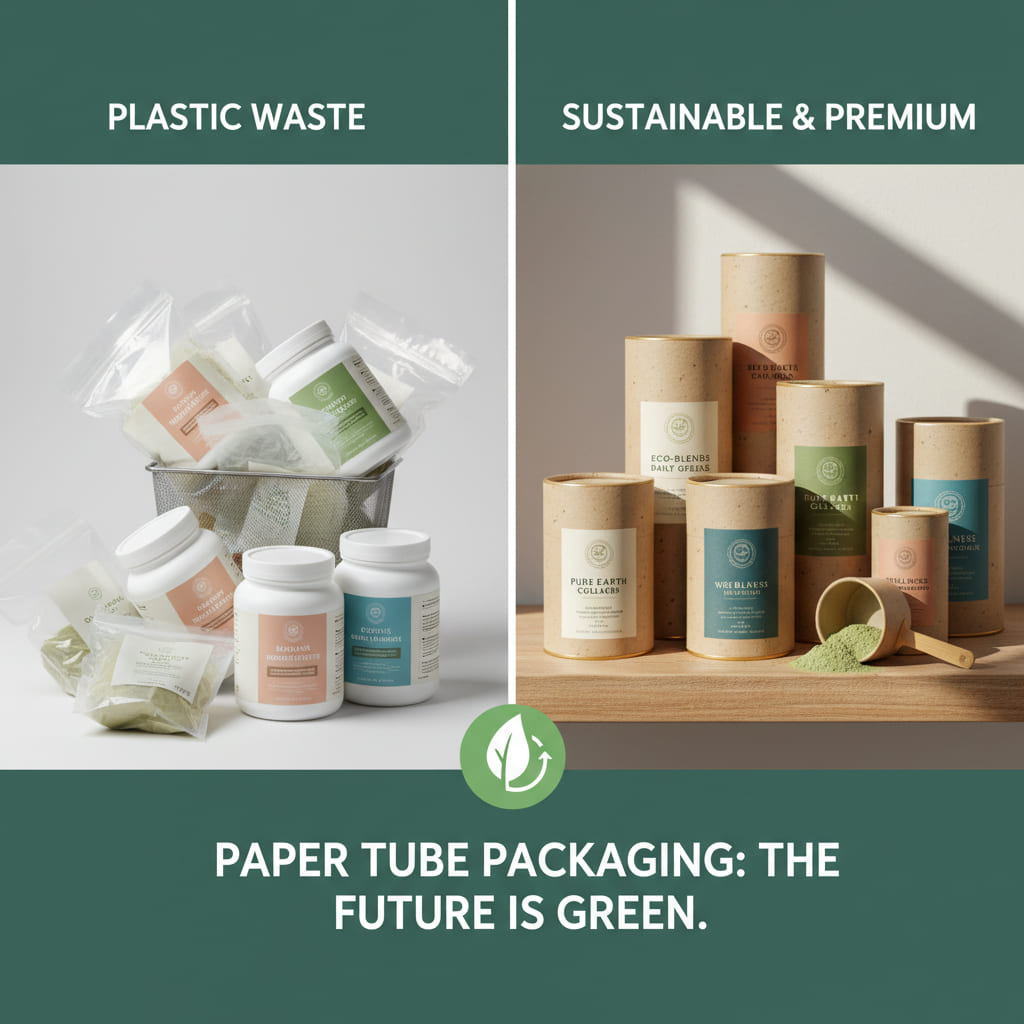
Your powdered products sit in bulky plastic tubs or flimsy pouches. This creates plastic waste that customers hate, and it fails to give your natural, eco-conscious product the premium look it deserves.
Paper tube packaging is a stylish, rigid, and eco-friendly cylinder made from recycled paperboard. It offers excellent protection for powders while providing a sustainable alternative that elevates your brand’s green credentials.
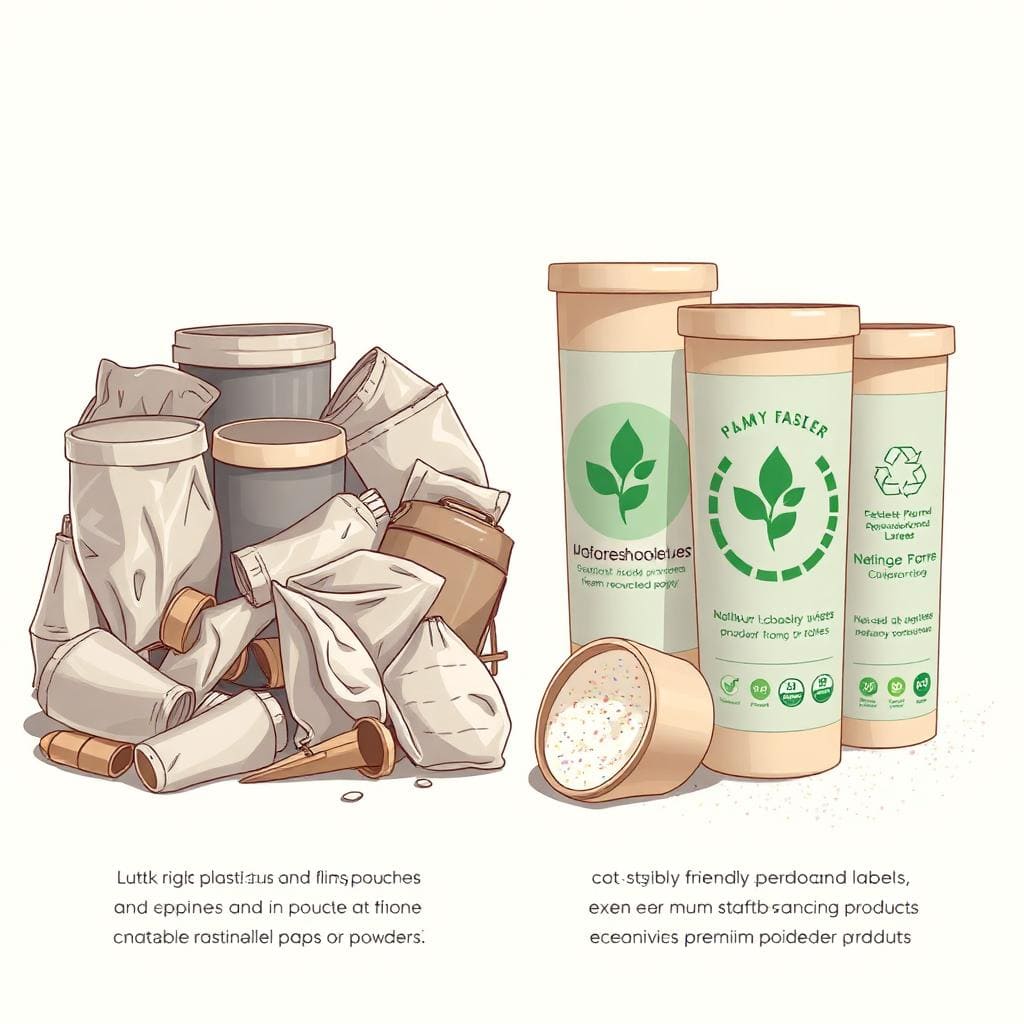
I've watched the packaging industry change so much over the years. When I first started, the main goal was just to make a box that was cheap and strong. Now, sustainability is one of the biggest topics. I remember a client who sold organic protein powder. They switched from a big plastic tub to a custom paper tube, and their customers loved it. It finally looked like the natural, premium product it was. This is more than just a trend; it's a fundamental shift in what consumers expect from the brands they support.
What are sustainable packaging solutions?
You hear the words "sustainable" and "eco-friendly" everywhere. But these buzzwords are often used without real meaning, leaving you unsure which packaging choices are actually good for the planet.
Sustainable packaging solutions are those designed to minimize environmental impact. They use renewable or recycled materials, are safe for people and the planet, and can be easily recovered or recycled after use.
This is a core concept we focus on at Wansa Packaging. True sustainability isn't just about using a certain material; it's about the entire lifecycle. Sustainable packaging solutions refer to materials that are environmentally friendly and can be recycled We have to think about where the raw materials come from, how much energy is used to make the package, and what happens to it when the customer is done. A solution that solves one problem but creates another isn't truly sustainable. It requires a holistic view, from the forest to the final product and back to the recycling plant.
Key Pillars of Sustainability
- Source: Is the material from a renewable resource, like trees, or a finite one, like petroleum?
- Production: How much energy and water are used in manufacturing? Is the process clean?
- Performance: Does it protect the product efficiently without using excess material (lightweighting)?
- End-of-Life: Can it be easily reused, recycled, or composted by the average consumer?
Is paper packaging eco-friendly?
You want to use paper to avoid plastic, but you've heard that papermaking can lead to deforestation and pollution. This makes you hesitant, worried you might be swapping one environmental problem for another.
Yes, modern paper packaging is remarkably eco-friendly. It comes from a renewable resource, has one of the highest recycling rates of any material, and is biodegradable, breaking down naturally if it ends up in the environment.
This is a common concern I hear, but the paper industry has made incredible progress. Most paper for packaging now comes from responsibly managed forests where trees are a crop, continuously replanted. **Paper packaging is environmentally friendly and reduces harm to the environment. The cosmetics industry often prefers paper packaging Think about it: a well-managed forest actively absorbs CO2. When that paper is recycled, it saves energy, water, and landfill space. Compared to plastic, which is made from fossil fuels and persists in the environment for centuries, paper is a clear winner for brands looking to reduce their impact. It's a natural choice for earth-conscious industries like cosmetics and organic foods.
What is the most sustainable form of packaging?
You want to make the absolute best choice. But with so much debate around glass, aluminum, and paper, you're stuck in "analysis paralysis," unable to decide which material is truly the most sustainable champion.
There is no single "most" sustainable packaging for every situation. However, for many lightweight products, paper and paperboard are often the top choice due to their low weight, renewable source, and high recycling rates.

The right answer always depends on the specific product and its journey to the customer. A heavy glass bottle is great for local dairy because it can be easily returned and reused. But shipping that same heavy glass bottle across the country creates huge carbon emissions from transport. In that case, a lightweight, recyclable paper carton is far better. As a designer, my job is to weigh these trade-offs to find the best balance for a client's needs. The goal is progress, not perfection.
| Material | Pros | Cons | Best For... |
|---|---|---|---|
| Paper | Renewable, lightweight, high recycling rate | Not suitable for liquids without a liner | E-commerce, dry goods, secondary packaging |
| Glass | Infinitely recyclable, inert, premium feel | Heavy (high shipping emissions), breaks easily | Luxury items, local beverages, acidic foods |
| Aluminum | Lightweight, high recycling value, good barrier | Energy-intensive to produce from raw ore | Canned beverages, aerosols |
| Plastic | Lightweight, durable, versatile, cheap | Made from fossil fuels, low recycling rate, pollutes | Medical supplies, items needing a total seal |
What type of packaging material should be used for sustainability?
You’ve decided on paper, but now you face more choices: kraft, coated, recycled, virgin? You don't know which specific type of paper will give you the sustainable credentials you're looking for.
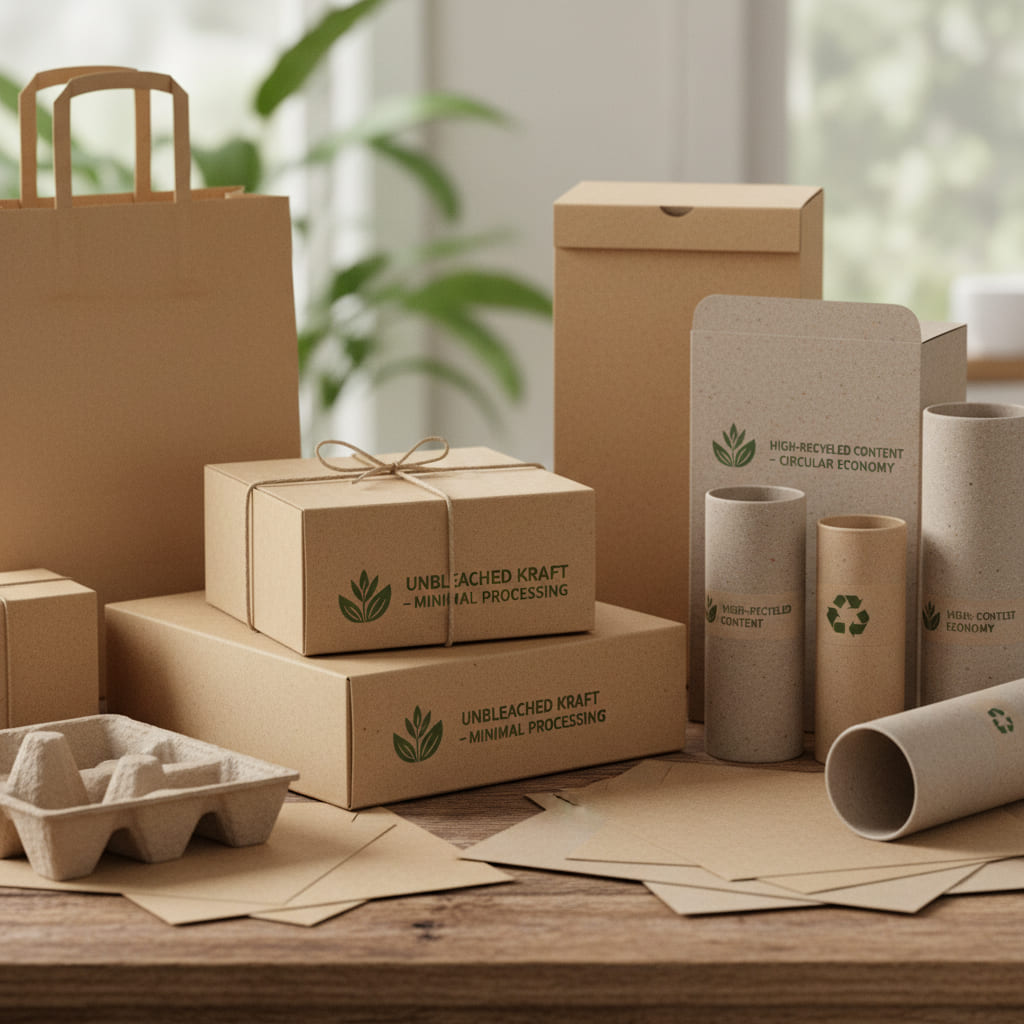
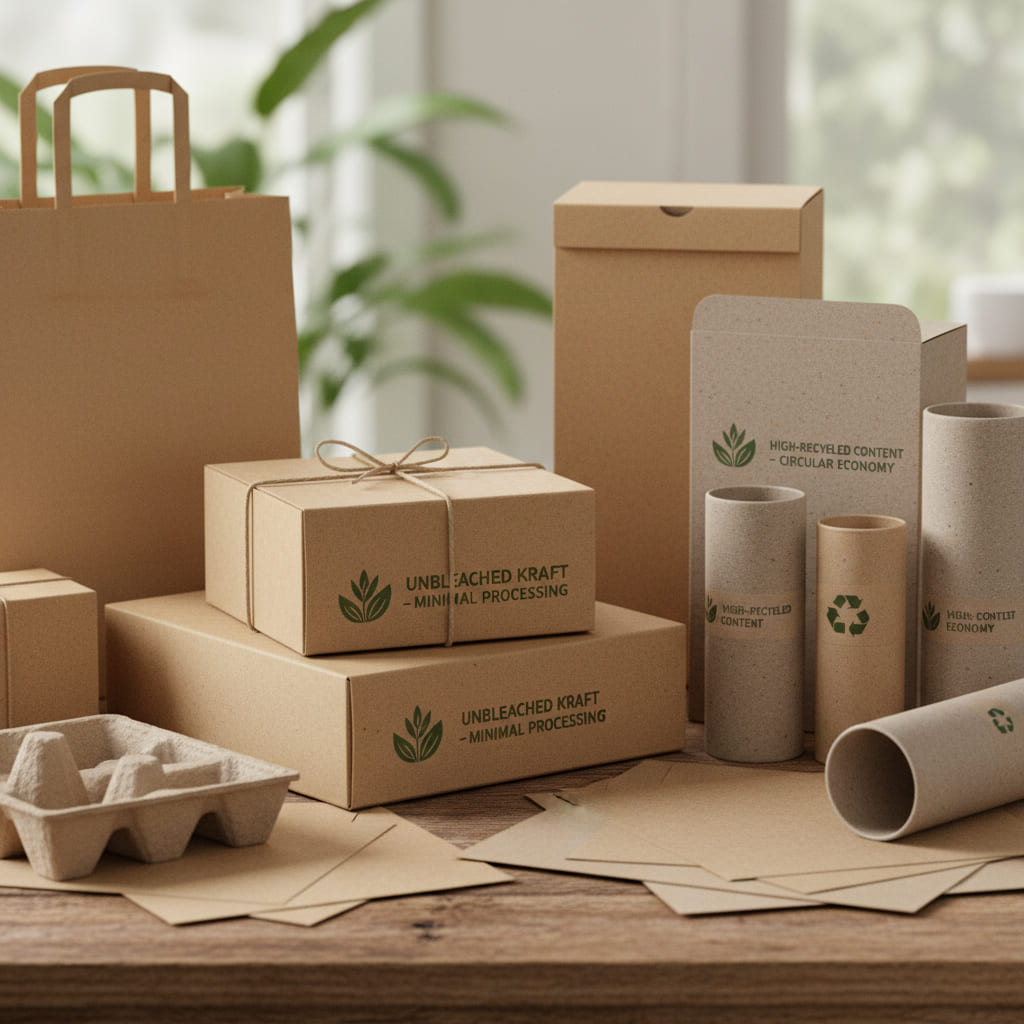
For maximum sustainability, choose paper materials like unbleached kraft or high-content recycled paperboard. These options minimize chemical processing and make direct use of the recycling stream, reducing environmental strain.
This is where the details really matter. If your brand wants to communicate a raw, natural, and eco-friendly message, the material itself should tell that story. **Sustainable and eco-friendly options generally use paper in its natural color—eco-friendly paper without any added pigments! . Brown kraft paper immediately signals "earthy" and "unprocessed." Using paper with a high percentage of post-consumer recycled content shows your commitment to a circular economy. A bright white, glossy paper might look clean, but it requires bleaching and coating processes that use more chemicals and energy. The most sustainable choice is often the one that looks the most natural.
Conclusion
Paper tube packaging is a smart, sustainable, and stylish choice for powdered goods. It aligns your product with eco-conscious values, reduces plastic waste, and provides a premium experience that builds a stronger brand connection with your customers.
More to read
# Which is Better for Packaging Mockups: Laser or Inkjet?
Which is Better for Packaging Mockups: Laser or Inkjet? You need to create a physical
2025 year the most welcome packaging box color trends
This year, packaging trends are making a bold statement with Radiant Red taking the limelight
5 Important Things to Consider for Luxury Products Packaging?
5 Important Things to Consider for Luxury Products Packaging? You've created a premium product, but