


Custom Packaging Solutions
Premium quality packaging tailored to your brand. From cosmetic boxes to luxury rigid packaging, we deliver excellence since 2010.
This is the title

Hey there, I'm Mike!
Which kind of products are safe in custom packaging1 boxes?
You have a fragile, high-value product, but you're using a generic stock box to ship it. You constantly worry that items will arrive broken, leading to costly returns and angry customer reviews.
High-value, fragile, and uniquely shaped products are safest in custom packaging1. This is because custom boxes are specifically engineered with inserts and the right materials to protect an exact item during shipping.
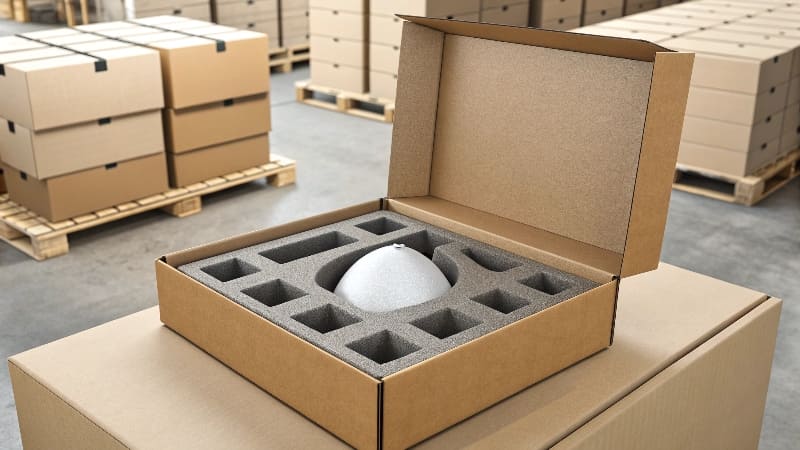
When I was first starting out in the packaging industry, I saw so many beautiful products get damaged simply because the box wasn't right for them. It taught me a valuable lesson: a box isn't just a box. It's a piece of engineering. Now, as the founder of Wansa Packaging, I see custom packaging1 as essential insurance. It ensures that the care you put into creating your product is preserved all the way until your customer opens it. For certain products, it’s not an option; it's a necessity.
What products are offered by safety packaging2?
You know you need to protect your products, but "safety packaging2" sounds industrial and ugly. You're worried it will compromise your brand's aesthetic in the name of function, leaving you with a bad user experience.
Safety packaging offers solutions for cosmetics, electronics, glassware, and any high-value item. These solutions use custom inserts3 and structural design to provide security without sacrificing a premium unboxing experience4e](https://wansapackaging.com/5-important-things-to-consider-for-luxury-products-packaging/)%%%FOOTNOTE_REF_5%%%.
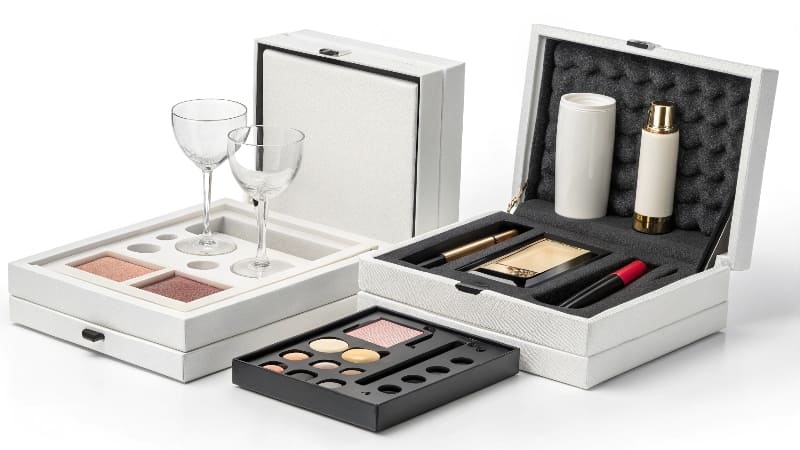
From my experience, I believe products like cosmetics, wine packaging, high-value, and fragile goods absolutely need custom packaging1 . There are two main reasons for this. The first reason is to protect the product from damage. The second reason is to increase the product's added value through the custom packaging1 itself . When a designer like Jacky designs a box for a luxury face cream, he’s not just thinking about preventing a glass jar from breaking. He’s also designing an experience. The custom insert that holds the jar perfectly in place does more than protect it; it communicates quality. It tells the customer, "What's inside is valuable and deserves to be presented this way." This blend of protection and presentation is the core of modern safety packaging2. It’s what turns a simple product into a cherished gift.
Key Categories for Safety Packaging:
- Fragile Goods: Glass bottles (wine, serums), ceramic items, and delicate electronics.
- High-Value Items: Luxury watches, jewelry, and high-end tech gadgets where a premium feel is part of the price.
- Kits & Sets: Multi-part products that need to be held securely and presented in an organized, appealing way.
What product is the best for packaging?
You're trying to figure out if your product is a good fit for a custom packaging1 investment. You're looking for a simple rule to follow, but every product seems to have different needs.
There is no single "best" product. The best products for custom packaging1 are those where the box's function—protection, branding, and experience—directly adds to the product's overall value and appeal.

I can't point to one product and say, "That's the best one for packaging." Instead, I tell clients to look at their product's characteristics. A simple, durable item sold on price alone might be fine in a poly-mailer. But if your product has any of the characteristics below, it's an excellent candidate. The more boxes it ticks, the more value you will get from a custom solution. For example, a uniquely shaped, fragile electronic device sold as a premium gift is a perfect candidate. Its shape demands a custom fit, its fragility demands protection, and its market position demands a great unboxing experience5. The packaging becomes an integral part of what the customer is buying.
Is Your Product a Good Fit?
| Characteristic | Why Custom Packaging Helps |
|---|---|
| Unique Shape | A custom insert is the only way to provide a secure fit. |
| Fragile Material | Engineered protection prevents costly returns and damage. |
| High Price Point | A premium box justifies a premium price. |
| Sold as a Gift | A beautiful box is essential for the gift-giving experience. |
| Part of a Set | Custom trays keep multiple items organized and looking professional. |
What are the 6 requirements of packaging?
You're deep into designing a box, but you have a nagging feeling you've forgotten something. A simple oversight in the design stage could lead to major problems with shipping or sales down the line.
The six fundamental requirements of any package are Containment, Protection, Convenience, Communication, Security, and Appeal. A successful design must address all six of these critical functions.
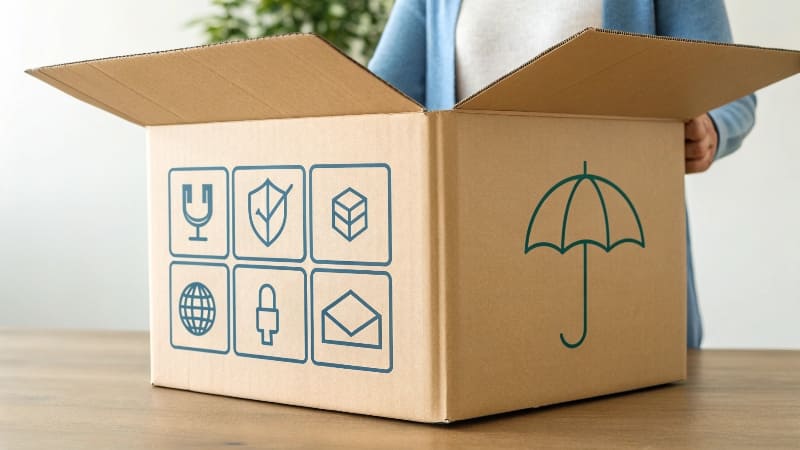
When I train new people at Wansa Packaging, I use these six points as a checklist. If your box fails at any one of these, it's not a complete design. For a designer like Jacky, this list is a great way to review your work before sending it off for prototyping. Thinking through each requirement ensures you haven't just made something that looks good, but something that actually works in the real world.
The 6-Point Packaging Checklist
- Containment: This is the most basic job. Does the box hold the product without it falling out?
- Protection: Does it guard the product against drops, vibration, moisture, and compression during its journey?
- Convenience: Is it easy for a retailer to stock? Is it easy for the end customer to open, use, and possibly store? Avoid "wrap rage."
- Communication: Does the packaging clearly state what the product is, who made it, and how to use it? This is your silent salesperson.
- Security: Does the design have features to prevent tampering or theft? This could be a seal or a structure that shows if it's been opened.
- Appeal: Does it look good? Does it grab attention on a shelf? Does the unboxing experience5 create a "wow" moment that builds brand loyalty?
Paper-based materials are the foundation of my business, and their range is incredible. A common mistake is lumping it all together as "cardboard." In reality, we use different types for different jobs. For a beautiful gift box, the first choice of material is definitely paperboard . It looks and feels substantial and gives the customer a high-quality impression . We use this kind of thick, rigid paperboard to create boxes for cosmetics, jewelry, and high-end electronics. It allows for crisp printing and feels luxurious to the touch. Then you have corrugated cardboard, with its internal wavy structure. This is the workhorse for e-commerce, protecting products during shipping. It's also what we use to make retail displays. The sheer number of products that rely on some form of cardboard is a testament to its flexibility, strength, and printability. From a simple mailer to a complex rigid box, it’s the king of packaging materials6.
Conclusion
Custom packaging provides engineered safety for the products that need it most: fragile, high-value, and unique items. It's an investment that protects your product, elevates your brand, and secures customer loyalty.
Explore how custom packaging can enhance product safety and brand perception. ↩
Understand the role of safety packaging in protecting products without compromising aesthetics. ↩
Discover how custom inserts provide protection and enhance the unboxing experience. ↩
Find tips on designing packaging that delights customers from the moment they open it. ↩
Learn how a great unboxing experience can boost customer satisfaction and loyalty. ↩
Learn about various packaging materials and their suitability for different product types. ↩
More to read
# Which is Better for Packaging Mockups: Laser or Inkjet?
Which is Better for Packaging Mockups: Laser or Inkjet? You need to create a physical
2025 year the most welcome packaging box color trends
This year, packaging trends are making a bold statement with Radiant Red taking the limelight
5 Important Things to Consider for Luxury Products Packaging?
5 Important Things to Consider for Luxury Products Packaging? You've created a premium product, but
