

Custom Packaging Solutions
Premium quality packaging tailored to your brand. From cosmetic boxes to luxury rigid packaging, we deliver excellence since 2010.
This is the title

Hey there, I'm Mike!
Which is the best packaging option for product boxes?
You're launching a product but are overwhelmed by the endless box options. Rigid, folding, corrugated... choosing the wrong one means wasting money and failing to impress your customers.
The best packaging option balances three things: your product's needs, your brand's style, and your budget. It's not about one single "best" box, but the "right" box for your specific situation.
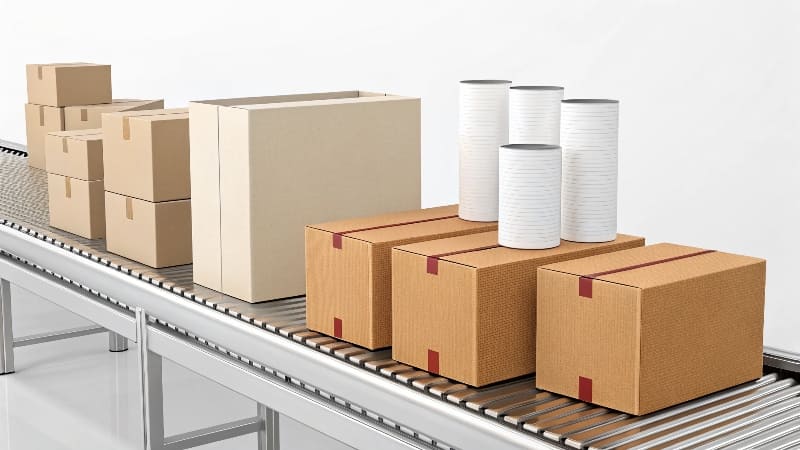
I see this question all the time from designers and brand owners. You've created a beautiful product, and now you need the perfect package to complete the experience. But the word "best" can be misleading. The best box for a luxury watch is a terrible choice for a subscription box. The key is to match the box type to its purpose. You need to think like a manufacturer for a moment. Let's break down the options so you can choose the right one with confidence.
What is the most efficient packing of boxes?
You want packaging that looks great but dread the reports from your fulfillment center about high costs and slow packing times. Inefficient packaging eats into your profit margins with every order.
The most efficient packing comes from folding cartons. Also known as card boxes, they ship to you flat to save space and money, are quick to assemble, and are perfect for lightweight retail items.
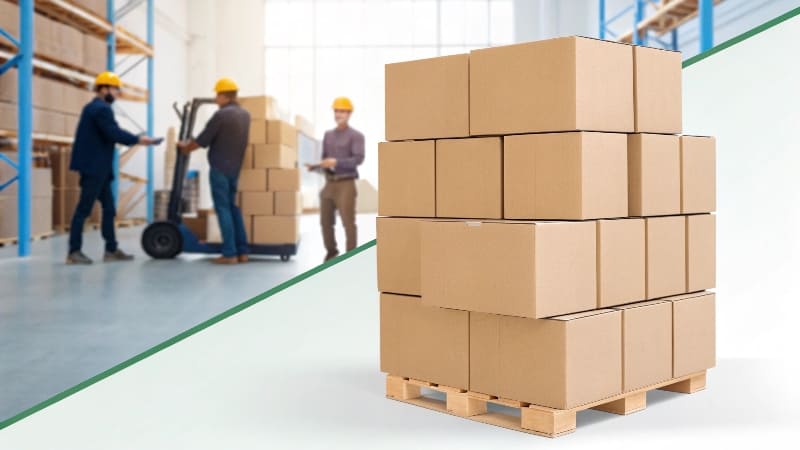
When clients ask for efficiency, my mind immediately goes to folding cartons. This is because the best packaging method is often the one that saves costs, and for simple packaging designs, we recommend normal color boxes, or folding cartons . Efficiency in packaging isn't just about how the box looks; it's about the total cost to get your product to the customer. This includes the cost of the box itself, the cost to ship it to your warehouse, and the labor cost to pack your product. Folding cartons win on all three counts. They are made from a single sheet of paperboard, which makes them very cost-effective to produce. But their real power is in logistics.
Why Folding Cartons1 are So Efficient
- Shipping & Storage2: They are delivered to you flat-packed. A pallet that might hold only 500 pre-made rigid boxes could hold 10,000 flat folding cartons. This saves a huge amount on both shipping and warehousing costs.
- Assembly Speed3: They are designed for quick assembly. Most are pre-glued and simply pop into shape, or they have simple tuck-flaps. This speed is critical for brands that need to pack hundreds or thousands of units per day.
- Material Use4: They use the minimum amount of material needed to create a structured box, which keeps the unit price low.
The bottom line is, if your product is lightweight and you need to be mindful of your operational costs, the folding carton is almost always the most efficient choice.
Which type of packaging is best?
You hear that folding cartons are efficient, but your product is heavy or luxurious. You worry a simple carton will feel cheap or, worse, won't offer enough protection for your item.
The "best" type of packaging is the one that suits your specific product and brand. For luxury and protection, rigid boxes are superior. For e-commerce shipping, corrugated boxes are essential. For retail, folding cartons are ideal.
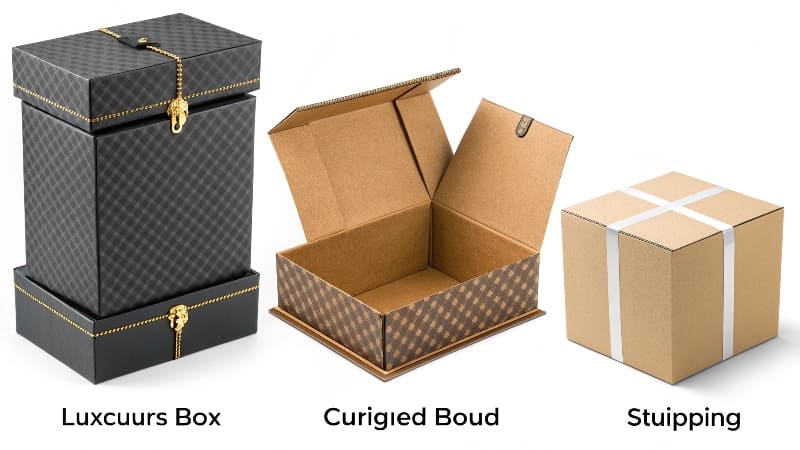
This is where your brand's story comes into play. The best packaging design is always determined by your budget and the style you want to achieve . A flimsy box can damage a luxury brand's reputation, while an over-the-top rigid box can make a budget-friendly product seem too expensive. You have to match the packaging to the product's price point and the customer's expectation. I help my clients navigate this decision every day by focusing on the core mission of the box. Is it for protection during shipping? Or is it for creating a premium unboxing experience on a retail shelf?
Matching the Box to the Mission
| Box Type | Best For | Brand Feel | Key Benefit |
|---|---|---|---|
| Folding Carton | Lightweight items5 (creams, soaps) | Professional, Efficient | Low Cost, Fast Assembly |
| Rigid Box | Heavy/Luxury items (gift sets, jewelry) | Premium, Gift-Like | Unboxing Experience, Sturdy |
| Corrugated Box | E-commerce shipping6, subscriptions | Durable, Protective | Shipping Strength |
Think of it this way: a folding carton is like a smart business suit—professional and perfect for daily use. A rigid box is like a tuxedo—built for special occasions and creating a lasting impression. A corrugated box is like a winter coat—its main job is protection from the rough journey outside.
What is the best way to pack a box?
Your sample boxes arrive, but your product rattles around inside. You worry about damage during shipping, leading to costly returns and unhappy customers who receive a messy, unprofessional unboxing experience.
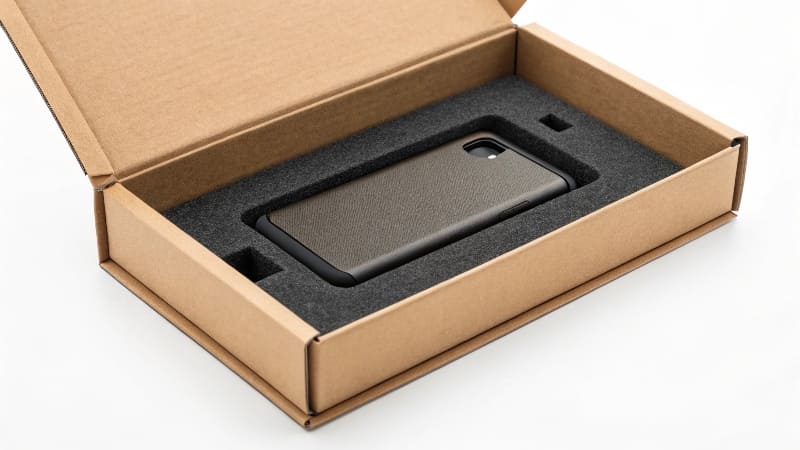
The best way to pack a box is to use a custom insert. Inserts are engineered to hold your product securely in place, preventing damage and creating a professional, organized presentation when the customer opens it.
 7 for Product Protection" />
The space inside your box is just as important as the outside. I once had a client with a beautiful set of skincare bottles. They used a generic box, and the first thing you heard when you picked it up was the sound of glass clanking together. It immediately felt cheap and unsafe. We didn't change the box; we just designed a simple paperboard insert with custom cutouts for each bottle. It completely transformed the experience from chaotic to luxurious. This is the power of thinking about the inside of the box. An insert is not just filler; it is a critical part of your packaging design.
The Power of Custom Insert7s
- Protection: This is the main job. An insert prevents your product from moving, absorbing shocks and vibrations during shipping. This is essential for fragile items like glass, electronics, or anything with delicate parts.
- Presentation: An insert creates a "stage" for your product. When the customer opens the box, the product is perfectly displayed. It looks intentional and professional, which significantly boosts the perceived value.
- Organization: If you are selling a kit with multiple components, an insert is a must. It keeps everything organized and in its place, guiding the customer through the contents of the package in a clear, logical way.
Never underestimate the power of a good insert. It's the difference between a product simply arriving and a product being truly presented.
What is the best type of box?
You're drowning in choices and industry jargon. You just want a clear answer on what box to choose, but every option seems to have complex trade-offs you don't fully understand.
The best type of box is decided by two key factors: material and size. These directly impact the price. First, know your budget and your product's dimensions, then choose a box style that fits.
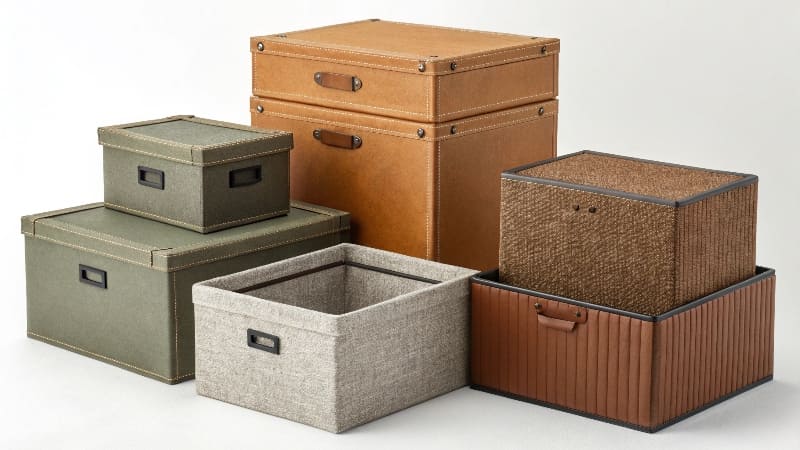
Let's simplify everything. As a factory owner, I can tell you that almost every pricing conversation comes back to two things. The price is mainly affected by the box's material and its dimensions. Once you understand material and size, you can decide what type of box to customize . Forget all the fancy names for a moment. Your decision starts here. If you can define these two variables, a good manufacturer can immediately guide you to the perfect solution.
The Two Pillars of Your Decision
-
Material:
- Paperboard: Used for folding cartons. It’s thin, flexible, and has a smooth surface perfect for high-quality printing.
- Greyboard + Wrap: This is the combination used for rigid boxes. A thick, dense board made from recycled paper (the greyboard) provides the structure, and it's wrapped with a thin, printable paper.
- Corrugated Board: Used for mailer and shipping boxes. It has that wavy "flute" layer sandwiched between two flat liners, which gives it its strength for transport.
-
Size:
- This is simple: a bigger box requires more material, so it costs more. But it's also about shipping. Carriers charge based on either the actual weight or the "dimensional weight" (a calculation based on the box's size). A large, lightweight box can be surprisingly expensive to ship.
Here's your action plan: before you contact a manufacturer, measure your product precisely (L x W x H) and set a target cost-per-box budget. With just those two pieces of information, the conversation becomes much clearer.
Conclusion
There is no single "best" box. The best choice is a cost-effective, protective, and brand-appropriate solution based on your product, budget, and style, starting with material and size decisions.
Explore how Folding Cartons can save costs and improve efficiency in your packaging process. ↩
Understand the importance of efficient Shipping & Storage to reduce costs and improve logistics. ↩
Learn how faster assembly can streamline your packaging process and save time. ↩
Explore the different materials used in packaging and their impact on cost and effectiveness. ↩
Discover the ideal packaging solutions for Lightweight items to ensure cost-effectiveness. ↩
Find out the best packaging options specifically designed for E-commerce shipping needs. ↩
Find out how Custom Inserts can enhance product protection and presentation in your packaging. ↩
More to read
# Which is Better for Packaging Mockups: Laser or Inkjet?
Which is Better for Packaging Mockups: Laser or Inkjet? You need to create a physical
2025 year the most welcome packaging box color trends
This year, packaging trends are making a bold statement with Radiant Red taking the limelight
5 Important Things to Consider for Luxury Products Packaging?
5 Important Things to Consider for Luxury Products Packaging? You've created a premium product, but