

Custom Packaging Solutions
Premium quality packaging tailored to your brand. From cosmetic boxes to luxury rigid packaging, we deliver excellence since 2010.
This is the title

Hey there, I'm Mike!
What is the Real Connection Between Design and Packaging?
You see beautiful product boxes on the shelf and think they just happen. But when you try to create one, you're stuck between the graphic artist and the box factory, unsure who does what.
Packaging design1 is the process of creating the graphics, text, and overall look of a product's container. Packaging is the physical container2 itself. The two are inseparable for creating a successful product experience3.
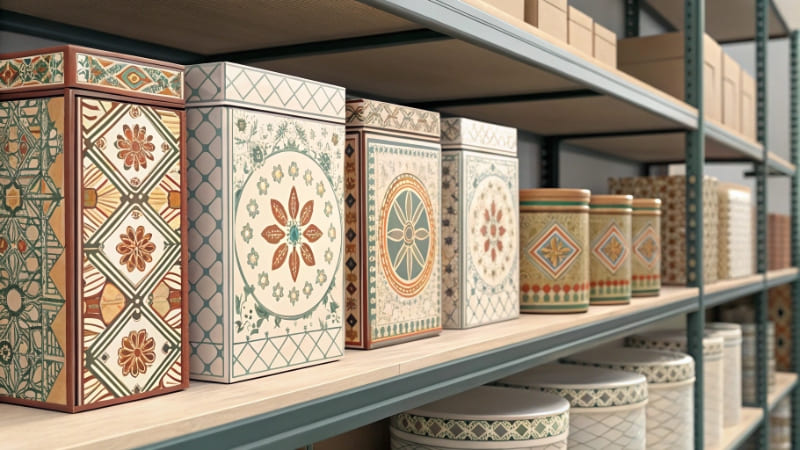
I’ve seen this confusion many times. A client will come to me with a fantastic product but no idea how to start the packaging process. They ask if I can design it, or if they need someone else. The truth is, the process has a specific flow. First comes the packaging design (the visuals), and then the packaging outline4 (the structure) is finalized. The visuals inform the shape, and the shape must support the visuals. It's a dance between a graphic designer5 and a manufacturer like me. Understanding this relationship is the first step to creating packaging that truly sells your product.
What is packaging and design?
You know you need a box, and you know it needs to look good. But you're not clear on where the work of a "designer" ends and the work of a "packaging manufacturer6" begins.
Design is the creation of the visual identity7—the graphics, colors, and typography. Packaging is the physical structure that holds and protects the product. The two disciplines work together to create the final CPG package.
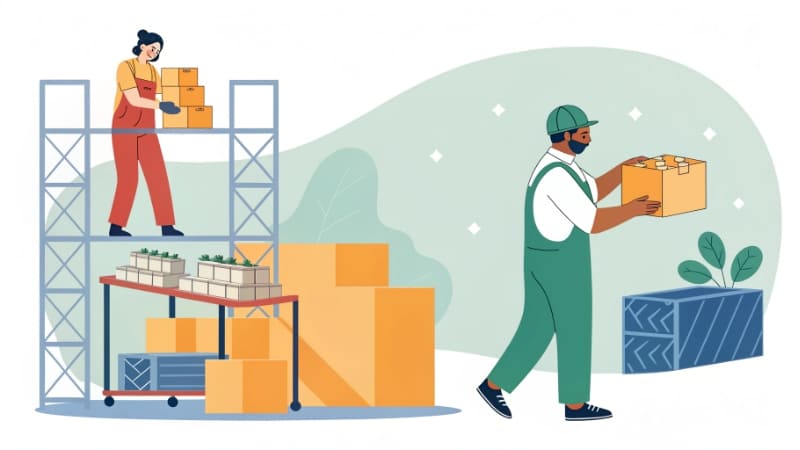
Let's break this down. From my perspective as a manufacturer, the distinction is very clear and crucial for a smooth workflow. A professional designer like Jacky focuses on creating the "art" of the package.
1. The Design Phase
This is all about communication and branding. It answers questions like:
- Who is the customer?
- What is the brand's personality?
- What information must be on the box? The designer creates a 2D digital file, often on a flat template, that contains all the visual elements. This is the "look and feel."
2. The Packaging Phase
This is where I, the manufacturer, take over. My job is physical execution. It answers questions like:
- What paper thickness is needed to protect the product?
- What is the most cost-effective way to produce this shape?
- How will special finishes like foil or embossing be applied?
We take the designer's beautiful 2D file and translate it into a 3D object. We engineer the structure, create the cutting dies, mix the inks, and manage the production line. Both parts are essential. Great design with poor construction will fail, and a great box with poor design will never get noticed.
What is the role of design in packaging?
You might think packaging's only job is to hold the product. This makes you tempted to spend less on design, seeing it as just a "decoration" instead of a critical business investment.
The role of design is to communicate value, attract customers, and make the sale. It's your silent salesman on a crowded shelf, telling your brand's story in an instant.
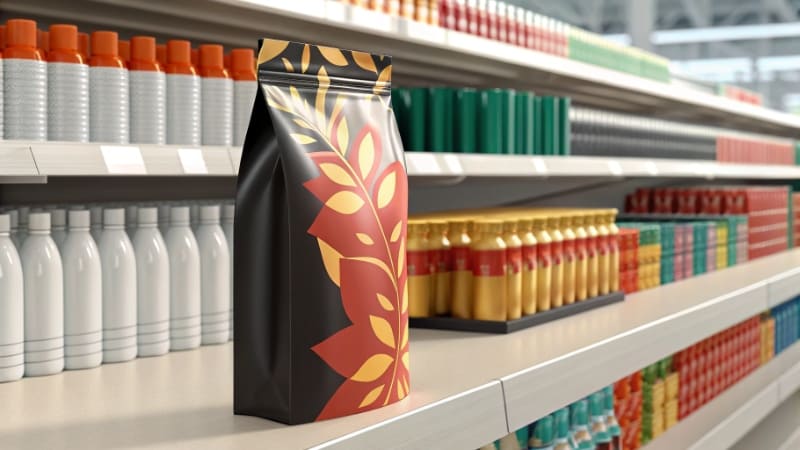
Over my years in this business, I've seen firsthand how powerful good design is. It is not just an expense; it is a core part of the product itself. In our packaging industry, design is extremely important. A good design helps to promote the product and enhance the company's image .
The role of design goes far beyond just looking nice.
- It Captures Attention: In a retail environment8, you have about three seconds to catch a customer's eye. Your packaging design is the primary tool to do this. Bold colors, unique graphics, or elegant simplicity can make a customer stop and look.
- It Conveys Information: Good design organizes information clearly. It tells the customer what the product is, what it does, and why they should buy it, all in a matter of moments.
- It Creates Brand Identity: Consistent design across all your products builds brand recognition9 and trust. When customers see your design, they should instantly know it's you. It turns a one-time purchase into a loyal customer.
- It Suggests Quality: A well-designed package implies a high-quality product10 inside. It communicates that you care about the details, which builds consumer confidence before they even use the product.
How do you design a packaging design?
You have a vision for your packaging. But you don't know the practical steps or technical requirements to turn your idea into a professional, print-ready file that a factory can actually use.
To design packaging, you start with research, then move to concept sketches. Next, you develop the visuals on a digital die-line template11, and finally, you export a print-ready PDF with all technical specs included.
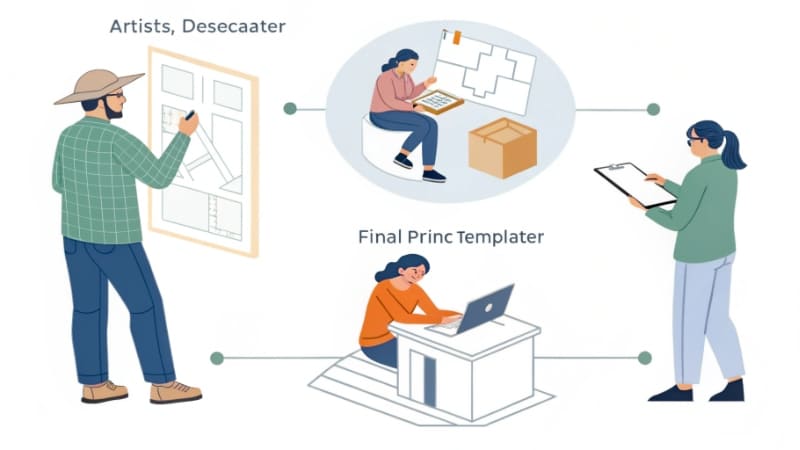
This process is a methodical journey from a simple idea to a complex technical file. For a seasoned designer like Jacky, this is a familiar path, but every step is critical. Here’s how it generally works when a client works with a designer to prepare a file for my factory.
| Step | Action | Key Outcome |
|---|---|---|
| 1. Research & Brief | Define the target audience, brand values, and key competitors. | A clear creative brief that guides the entire project. |
| 2. Structural Design | We provide a flat structural template (a "die-line") based on the product's dimensions. | A blank canvas with the correct dimensions, fold lines, and glue tabs. |
| 3. Concept & Visuals | The designer sketches ideas and then creates the full graphic design on the die-line template. | A complete digital artwork file showing all graphics, text, and colors. |
| 4. Pre-press & Export | The designer prepares the final file for manufacturing. This includes outlining text, embedding images, and adding bleed. | A print-ready, high-resolution PDF file that I can use to make printing plates and cutting dies. |
This structured approach ensures that the creative vision is perfectly aligned with the technical requirements of production, preventing costly errors.
What is a packaging designer12?
You might think a packaging designer12 is just a graphic artist who happens to draw on a box template. This misunderstanding can lead you to hire the wrong person for a highly specialized job.
A packaging designer12 is a specialist who combines graphic design skill with a deep understanding of 3D structures13, printing processes14, and brand strategy to create a functional and appealing product package.
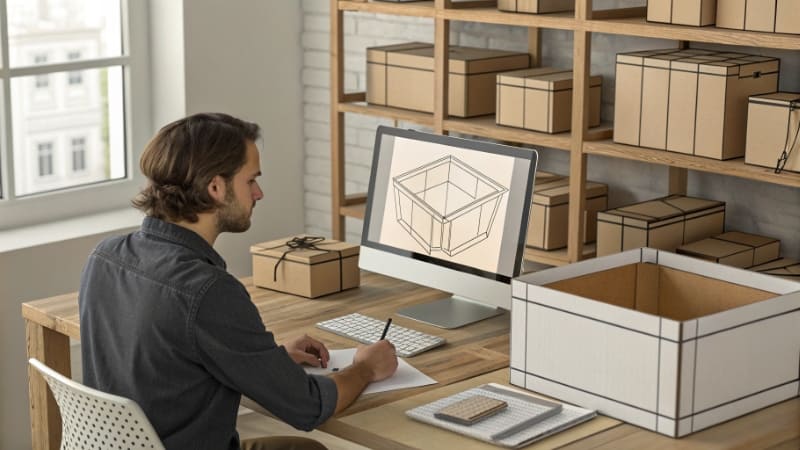
A packaging designer12's role is much more complex than it appears. They are not just artists; they are technical experts and brand strategists. When I work with a great packaging designer12, they don't just send me a pretty picture. They send me a file that demonstrates their expertise in manufacturing.
A true packaging designer12 understands:
- Materials: They know the difference between SBS paperboard and corrugated cardboard and can recommend a material appropriate for the product's weight and value.
- Printing Techniques: They design with the final production in mind, knowing how a foil stamp will look versus a metallic ink, or how a UV coating will interact with their color choices.
- 3D Visualization: They can think in three dimensions, ensuring that the design flows beautifully from the front panel to the sides and back of the box.
- Professional Responsibility: This is crucial. For a good design, the designer must be responsible for the graphic files to avoid leaks . When a client trusts us with a new product, we treat those files with the highest security. A professional designer shares that commitment to confidentiality.
Conclusion
Packaging and design are a team. Design creates the dream, and packaging builds the reality. Understanding this connection is the key to creating a product that looks great and sells successfully.
Explore this resource to understand the significance of packaging design in product marketing. ↩
Learn how the physical container impacts product protection and presentation. ↩
Discover how effective packaging enhances customer satisfaction and brand loyalty. ↩
Understand the importance of a packaging outline in the design process. ↩
Find out the essential role graphic designers play in creating appealing packaging. ↩
Explore the responsibilities of packaging manufacturers in bringing designs to life. ↩
Learn how visual identity shapes brand perception and customer engagement. ↩
Discover the impact of packaging design on consumer behavior in stores. ↩
Explore how consistent packaging design builds trust and loyalty among customers. ↩
Understand how packaging design influences consumer perceptions of quality. ↩
Discover how digital die-line templates are used to create packaging. ↩
Explore the essential skills and knowledge required for effective packaging design. ↩
Discover how understanding 3D structures enhances packaging functionality. ↩
Learn about various printing techniques and their impact on packaging design. ↩
More to read
# Which is Better for Packaging Mockups: Laser or Inkjet?
Which is Better for Packaging Mockups: Laser or Inkjet? You need to create a physical
2025 year the most welcome packaging box color trends
This year, packaging trends are making a bold statement with Radiant Red taking the limelight
5 Important Things to Consider for Luxury Products Packaging?
5 Important Things to Consider for Luxury Products Packaging? You've created a premium product, but