

Custom Packaging Solutions
Premium quality packaging tailored to your brand. From cosmetic boxes to luxury rigid packaging, we deliver excellence since 2010.
This is the title

Hey there, I'm Mike!
What Is Product Packaging and Why Does It Matter?
Your product is fantastic, but it's getting lost on the shelf. Competitors with attractive boxes are grabbing all the attention, leaving your brand invisible and your sales flat.
Product packaging is the design and creation of a product's exterior. It includes the materials, structure, and graphics that contain, protect, and present a product to the customer.
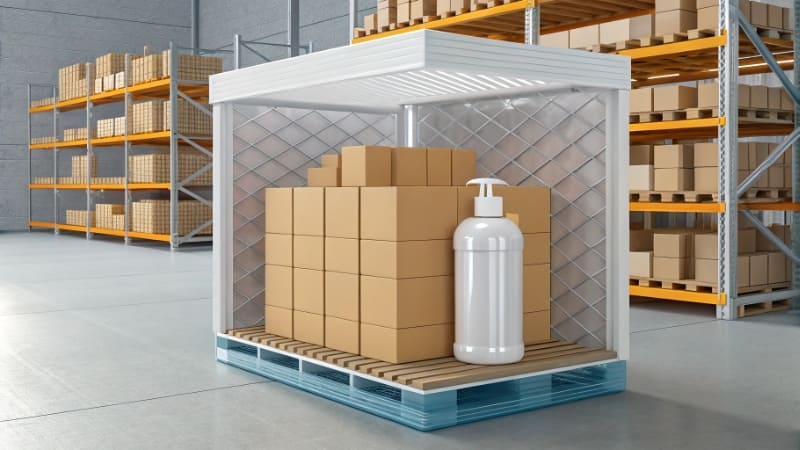
I've built my career in this industry, and I can tell you this: packaging is not just a box. It is the first physical handshake between your brand and your customer. It's a silent salesman on a busy retail shelf. Many people see it as just an expense, but I see it as one of the most powerful business tools you have. Let me break down what product packaging1 really is and why it's so critical for your success.
What are the different types of product packaging1?
You know you need a "box," but the options are overwhelming. Rigid, paperboard, corrugated—what's the difference, and which one do you actually need for your specific product?
Packaging is categorized by its function (primary, secondary, tertiary) and its format. Common formats include flexible packaging like bags, and box packaging like paperboard, corrugated, and rigid boxes for luxury goods2.
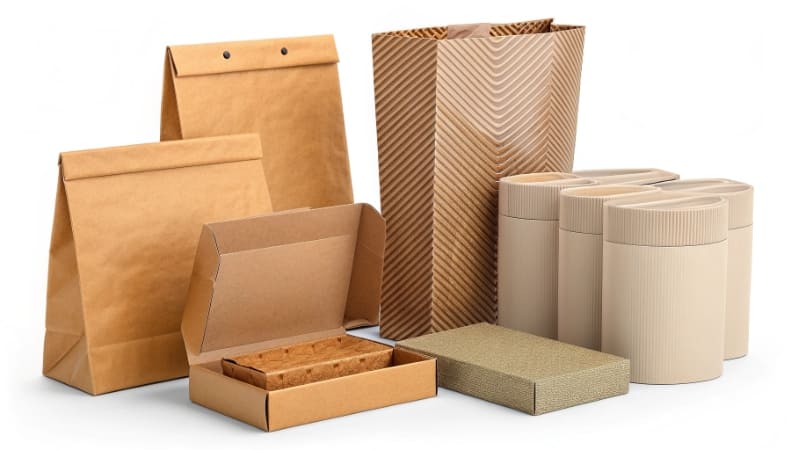
When a designer like Jacky approaches me, our first conversation is always about finding the right type of packaging for his product. We have to think in layers. First is the primary packaging3, which touches the product itself (like a bottle for lotion). Next is the secondary packaging4, which is the box that holds the lotion bottle. Finally, there's tertiary packaging5, like a large corrugated shipper used to transport cases of the product to a warehouse.
For most businesses, the focus is on secondary packaging4. Here, we can talk about two main categories. As I explain to my clients, product packaging1 can be ordinary or high-end. Ordinary packaging is a simple white box. High-end packaging has various printing treatments and surface finishes that make the box beautiful to attract consumers' attention, thus increasing the desire to buy!. A simple paperboard box is great for everyday items. But for premium cosmetics or electronics, a rigid box with soft-touch lamination and gold foil stamping creates a feeling of luxury that justifies a higher price.
Why is product packaging1 so important?
You think of packaging as just a container to protect what's inside. This limited view costs you sales every day by ignoring your packaging's role as your most powerful marketing tool.
Packaging is critical because it protects the product, communicates your brand's story and value, differentiates you from competitors on the shelf, and provides the user with essential information.
I tell every client that the box is as important as the product. It has several jobs to do at once. If any of these fail, your business suffers. First, it must protect the product on its long journey from my factory to your customer's home. A broken product leads to a lost customer. But protection is just the beginning. The packaging is your opportunity to make a first impression. On a crowded shelf, your box has just a few seconds to get noticed.
This is where brand promotion6 comes in. As I always say, *every product needs outer packaging. It can protect the product, promote the company culture, and increase the product's added value . Your logo, colors, and the message on the box tell your story. It shows the customer who you are and what you stand for. A well-designed package elevates the product inside, making it feel more valuable and creating an exciting "unboxing experience7" that people remember and share.
How do you design great product packaging1?
You have an amazing product but no design experience. You're worried about creating a design that looks amateur, misrepresents your brand, or can't even be produced correctly.
To design effective packaging, start by defining your brand and customer. Then choose your box type, create a visual design Hierarchy, and finally, always get a physical sample before mass production.
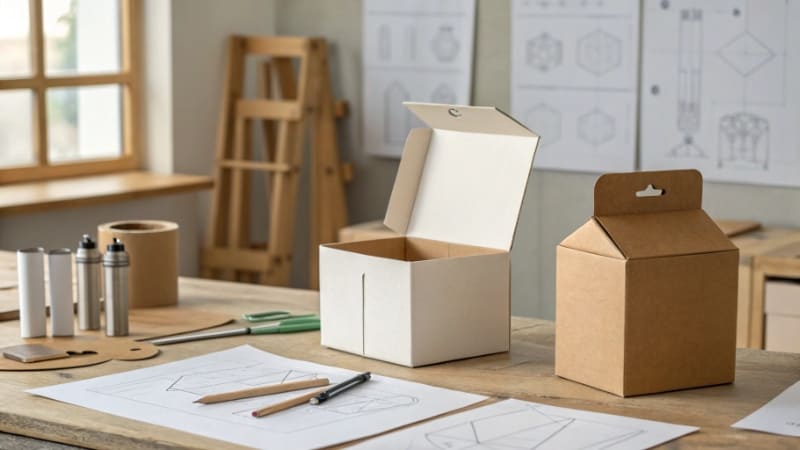
Designing a box can feel intimidating, but you just need to follow a clear process. As a manufacturer, I work with designers every day, and the successful ones always follow these key steps.
A Simple 4-Step Design Process
- Define Your Foundation: Before you think about colors or logos, you must answer two questions. Who is your brand? (Minimalist and modern? Fun and playful?) And who is your customer? Your design must connect these two things.
- Choose Your Structure: Based on your product and brand, select the right type of box. Is it a lightweight mailer box for subscriptions or a heavy, luxurious rigid box for a gift? Once you choose, a manufacturer like me provides a "dieline8." This is a flat digital template that shows exactly where to place your graphics.
- Create the Visuals: This is where you bring your brand to life. Place your logo in a prominent spot. Use your brand colors. Most importantly, create a clear information hierarchy. The front should have the brand name and product name. The back can have ingredients, instructions, and your story. Don't clutter it.
- Prototype and Refine: Never go straight to a full production run. Always get a physical sample first. A design looks very different in your hands than on a computer screen. Check the colors, feel the material, and make sure it opens easily.
Conclusion
Product packaging is not an afterthought; it's a core part of your product strategy. It protects your item, communicates your brand's value, and is essential for attracting and retaining customers.
Understanding product packaging can enhance your marketing strategy and improve sales. ↩
Learn about the unique packaging requirements for luxury goods and their market impact. ↩
Learn how primary packaging directly impacts product safety and customer perception. ↩
Explore the role of secondary packaging in branding and consumer appeal. ↩
Discover how tertiary packaging ensures safe transportation and storage of products. ↩
Discover the critical role packaging plays in promoting your brand identity. ↩
Understand how a memorable unboxing experience can enhance customer loyalty. ↩
Learn about dielines and their importance in creating effective packaging. ↩
More to read
# Which is Better for Packaging Mockups: Laser or Inkjet?
Which is Better for Packaging Mockups: Laser or Inkjet? You need to create a physical
2025 year the most welcome packaging box color trends
This year, packaging trends are making a bold statement with Radiant Red taking the limelight
5 Important Things to Consider for Luxury Products Packaging?
5 Important Things to Consider for Luxury Products Packaging? You've created a premium product, but